Precision CNC Turning
CNC turning is suited to parts whose key features are rotational, such as outside diameters, bores, shoulders, grooves, and threads. The workholding and operation sequence are selected from the part geometry and drawing requirements. Critical diameters, bores, threads, and datum relationships are reviewed as part of the turning plan.
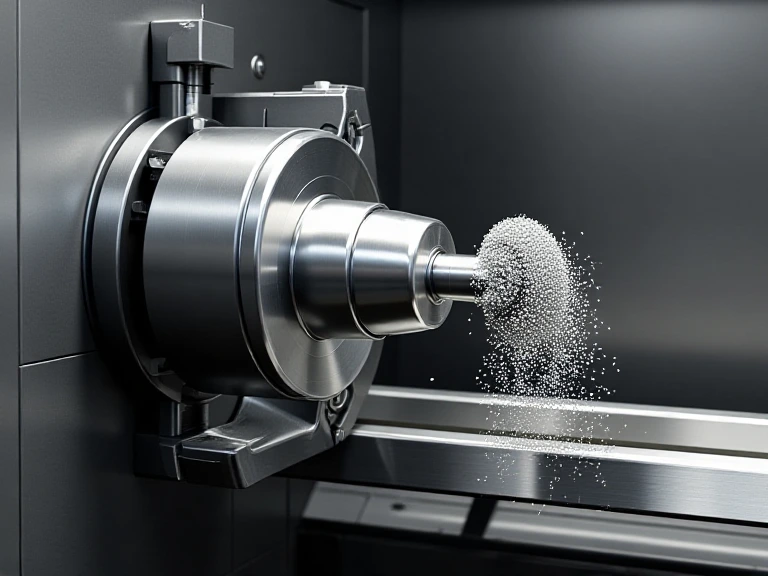 Turning center · live tooling lathe
Key Capabilities
CNC turning services may include external turning, facing, boring, threading, grooving, cutoff, and taper turning. Live tooling or a secondary milling operation can be considered when the part includes cross-holes, flats, or other non-rotational features.
| External turning | Outside diameters, shoulders, and profiles defined by the drawing |
|---|---|
| Facing & boring | End faces and internal bores related to the specified datums |
| Threading | External and internal thread requirements reviewed against the drawing |
| Grooving & cutoff | Grooves and parting features planned to the specified geometry |
| Taper turning | Tapers and mating features machined to the part drawing |
| Live tooling | Cross-holes, flats, or tapped features where machine configuration permits |
| Secondary operations | Part transfer or additional milling is considered when required by the geometry |
| Production planning | Quantity, stock form, and repeat requirements are reviewed for each inquiry |
Specifications
| Part envelope | Confirmed against available equipment and workholding for the part |
|---|---|
| Machining length | Reviewed from part length, support needs, and setup plan |
| Tolerances | Reviewed against each feature and confirmed during quotation |
| Surface finish | Specified on the drawing and reviewed with the material and operation |
| Material form | Stock form and material are confirmed for the requested part |
CNC Turning Centers and Lathes
The turning setup is selected to suit the part geometry and required operations. A turning center may combine turning with additional features where its configuration supports them; feasibility is confirmed during drawing review.
| Turning center | Used for rotational features, with additional operations considered where available configuration allows. |
|---|---|
| Workholding | Chuck, collet, or other workholding is chosen to support the part and its datums. |
| Secondary milling | Cross-features are planned as live-tool operations or separate milling based on the part. |
Provide a drawing or model with the material, quantity, and finishing requirements so the suitable turning route can be evaluated.
