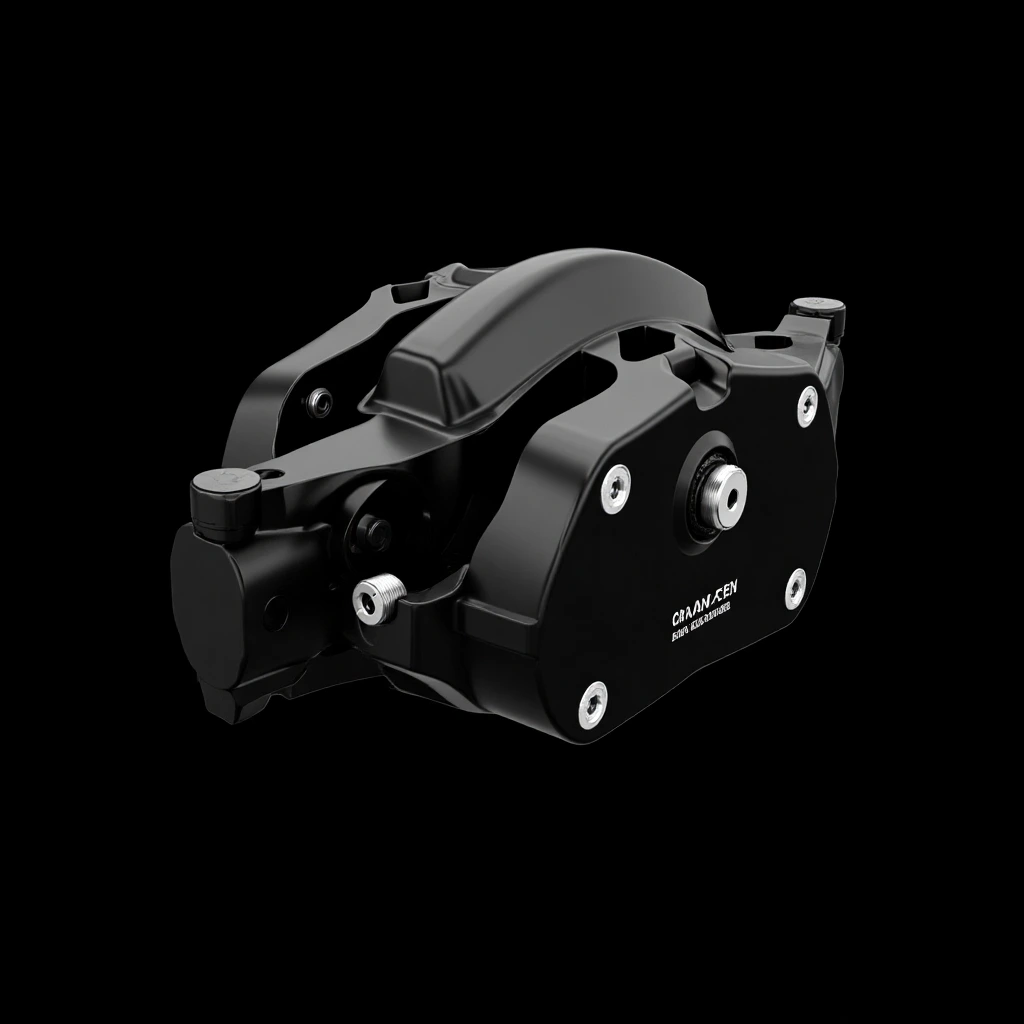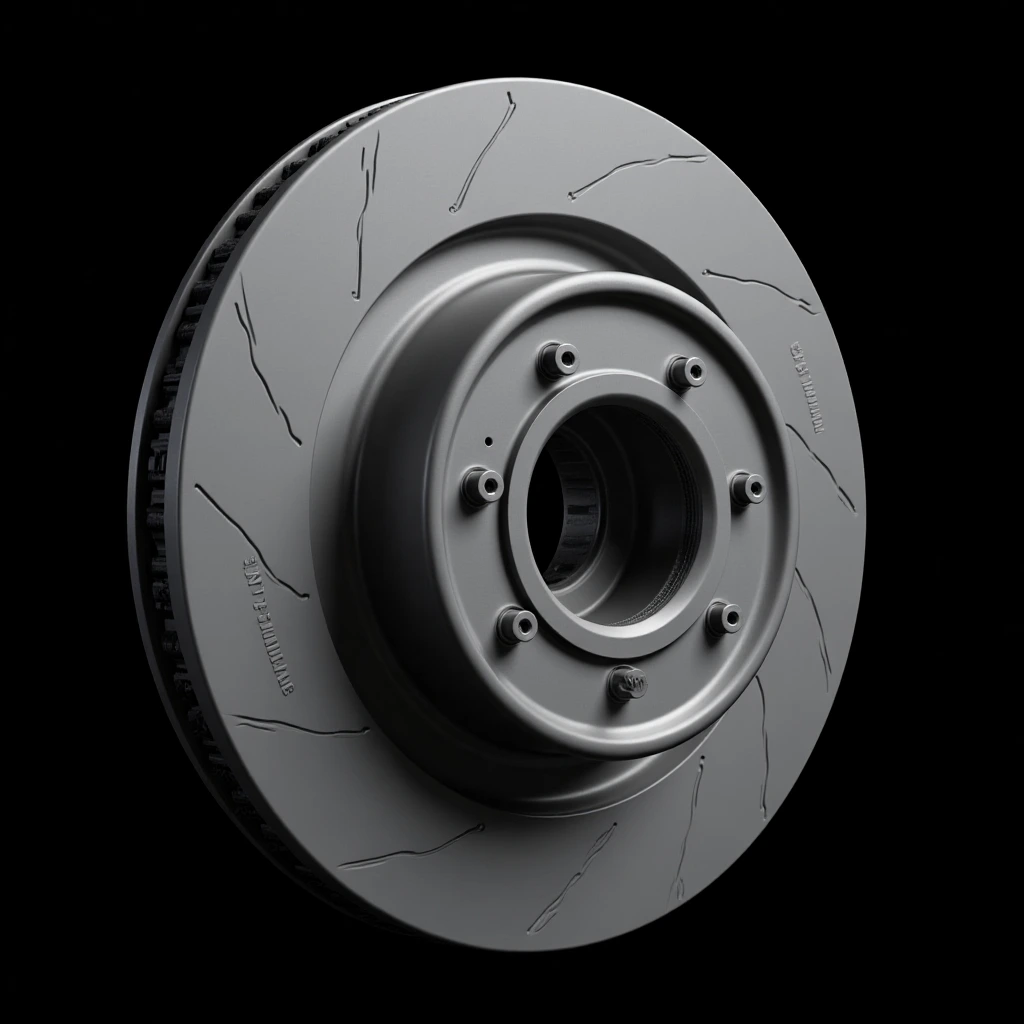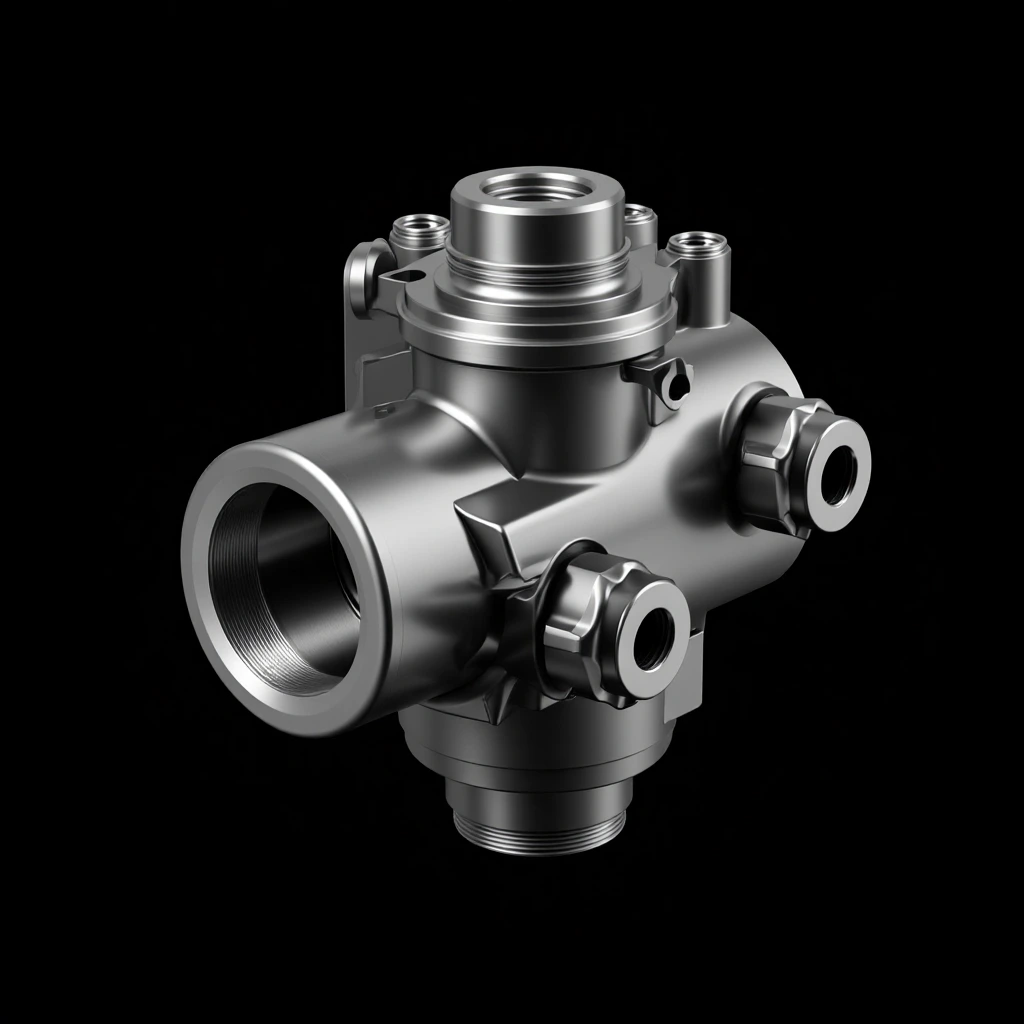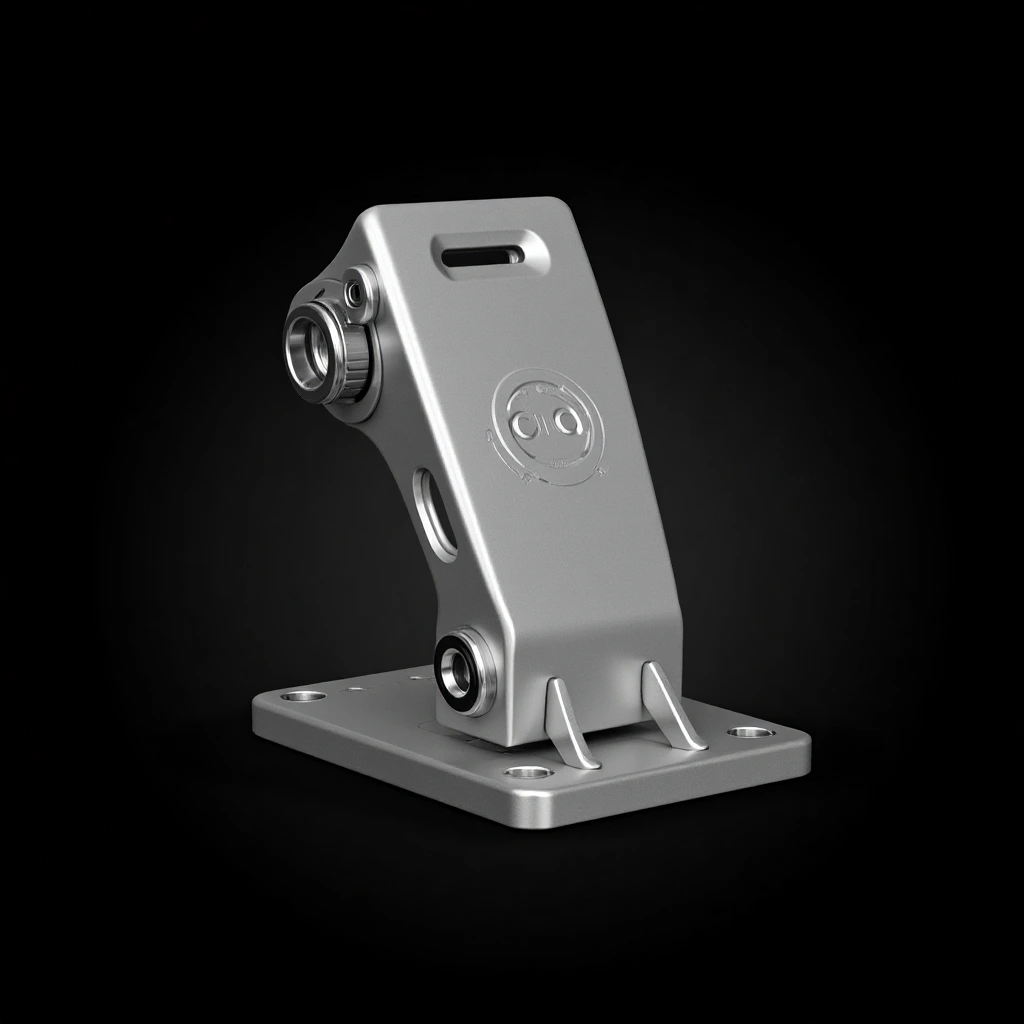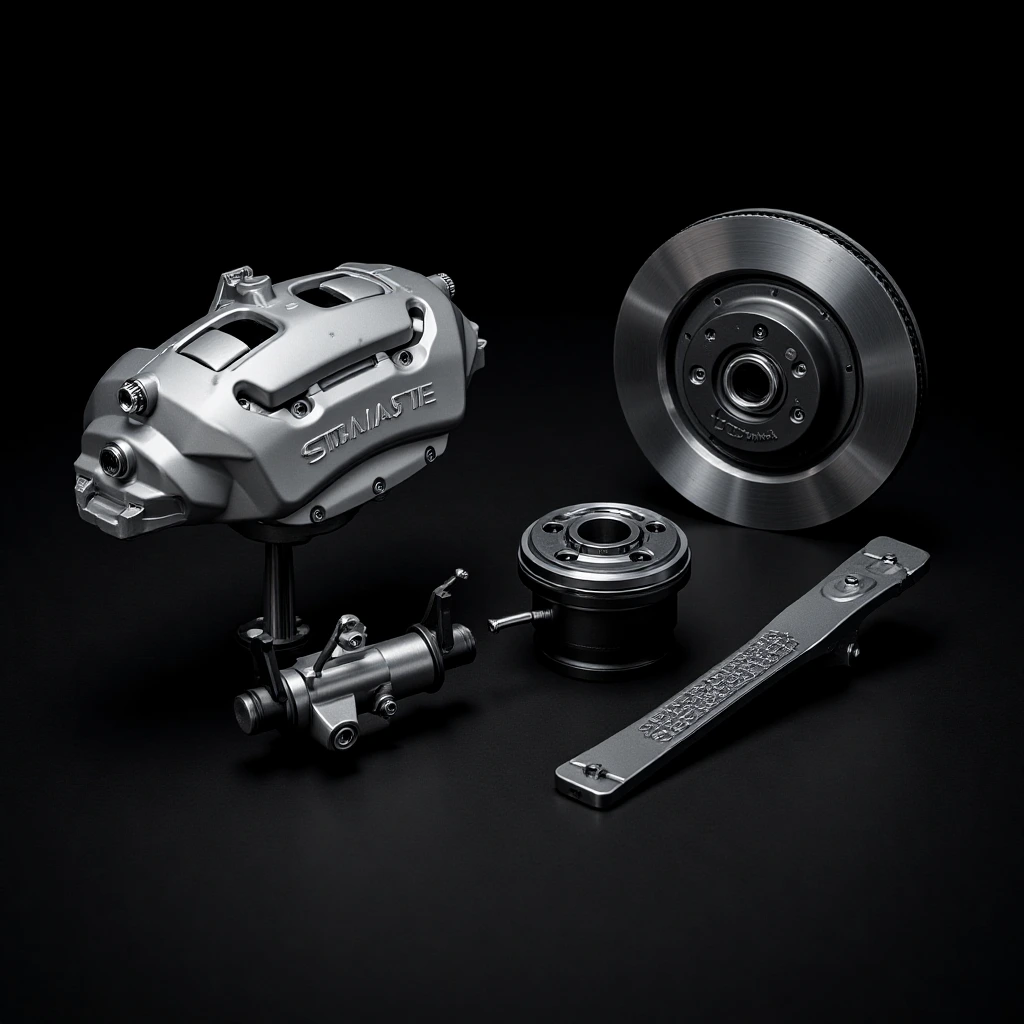
This braking components case follows a caliper body and related hydraulic features from drawing review through machining and inspection planning. The narrative focuses on bore, mounting-face and passage relationshipsโnot unsupported stopping-distance claims.
Request a Technical Quote โ
The case centers on braking system components in which a caliper body, rotor carrier or master-cylinder part must align with mating hardware. Bore geometry, sealing details and mounting faces are treated as linked features because they define fit within the brake assembly.
The process review confirms material, datum strategy, tool access and any finishing callouts before machining. Car braking system components and hydraulic braking system components are inspected against the individual drawing, with the check plan focused on the interfaces specified for the part.
Face milling, drilling, tapping, and pocketing of caliper bodies, brackets, and pedal mounts.
Complex contoured caliper bodies and integrated mounting lugs machined in a single setup.
Piston bores, seal grooves, and threaded ports on master cylinders and wheel cylinders.
Surface grinding of caliper mounting faces and rotor hat surfaces for flatness control.
Master cylinder and wheel cylinder bore finishing for seal compatibility and surface roughness.
Pressure-test requirements, acceptance criteria, and any requested records are confirmed against the customer specification for the project.
The drawing defines the datums and fit criteria for 1. brake caliper bodies; inspection scope is agreed for the project.
Rotor hat mounting faces and bolt circles must be flat and true to prevent runout. Ventilation vanes in two-piece rotors require precise core placement or CNC machining of air passages. Surface finish on the friction ring affects initial pad bedding.
Bore diameter and surface finish directly affect seal compatibility and pedal feel. Pushrod bore and reservoir port threads must be concentric with the main bore. Honing after machining achieves the required surface roughness for rubber seal compatibility.
| Material | Key Properties | Typical Applications | Surface Treatment |
|---|---|---|---|
| 6061-T6 Aluminum | Good strength-to-weight, excellent machinability, corrosion resistant | Brake caliper bodies, pedal brackets, lightweight mounting hardware | Hard anodize Type III, chem film |
| 7075-T6 Aluminum | High strength, fatigue resistant, lightweight | Motorsport calipers, high-performance pedal assemblies | Hard anodize, PTFE impregnation |
| 1215 Carbon Steel | Excellent machinability, cost-effective | Brake pedals, brackets, and non-corrosive hardware | Zinc plating, powder coating |
| 316L Stainless Steel | Superior corrosion resistance, non-magnetic | Brake hardware for the vehicleโs specified operating environment | Passivation, electropolish |
| 17-4PH Stainless Steel | High strength and hardness after H900 heat treatment | High-pressure caliper pistons, racing hardware | Hardened, passivated, electroless nickel |
| Gray Cast Iron | Excellent damping, wear resistance, thermal conductivity | Brake rotors (discs) for passenger and commercial vehicles | None, or anti-corrosion coating |
| Finish | Specification | Benefit |
|---|---|---|
| Hard Anodize Type III | As specified in the drawing / agreed scope | Wear resistance and corrosion protection for aluminum calipers |
| Electroless Nickel | As specified in the drawing / agreed scope | Uniform coating thickness and corrosion resistance |
| Passivation | ASTM A967 | Restores corrosion resistance of stainless steel after machining |
| Powder Coating | Multiple colors, UV resistant | Durable cosmetic finish for pedals and brackets |
| Zinc Plating | As specified in the drawing / agreed scope | Corrosion protection for carbon steel hardware |
Start an inquiry with the braking component, pressure-test requirements, and material specification. Drawing files can be shared through an agreed channel after initial contact. Quotations are prepared within two business days after complete drawings and project requirements are received.
Request a Technical Quote โAny pressure, leak, or functional test requirement is reviewed against the customer specification. Test method, acceptance criteria, and records are included only when agreed for the project.
Tolerance and fit requirements are reviewed against the supplied drawing. Feasibility depends on geometry, material, machining process, and agreed inspection scope.
Finish options are reviewed against the material, operating environment, and drawing. Availability, acceptance criteria, and any external processing are confirmed in the project scope.
Material grade is considered against part function, operating conditions, and drawing requirements. Availability, finish options, and any requested material records are confirmed during quotation.
The part geometry, material, feature access, and quantity determine the suitable machining route. Feasibility and inspection scope are reviewed from the drawing before quotation.
Finish options are reviewed against the material, operating environment, and drawing. Availability, acceptance criteria, and any external processing are confirmed in the project scope.
Inspection methods, acceptance criteria, and requested records are reviewed against the specification and included only when agreed in the project quotation.
Manufacturing lead time is confirmed after reviewing material availability, machining process, finish, and quantity. Quotation timing is two business days after complete drawings and requirements are received.