This EV components case follows a thermal-management part and its mounting interfaces from drawing review through process planning. The story focuses on channel geometry, sealing faces and alignment to adjacent electric-vehicle hardware.
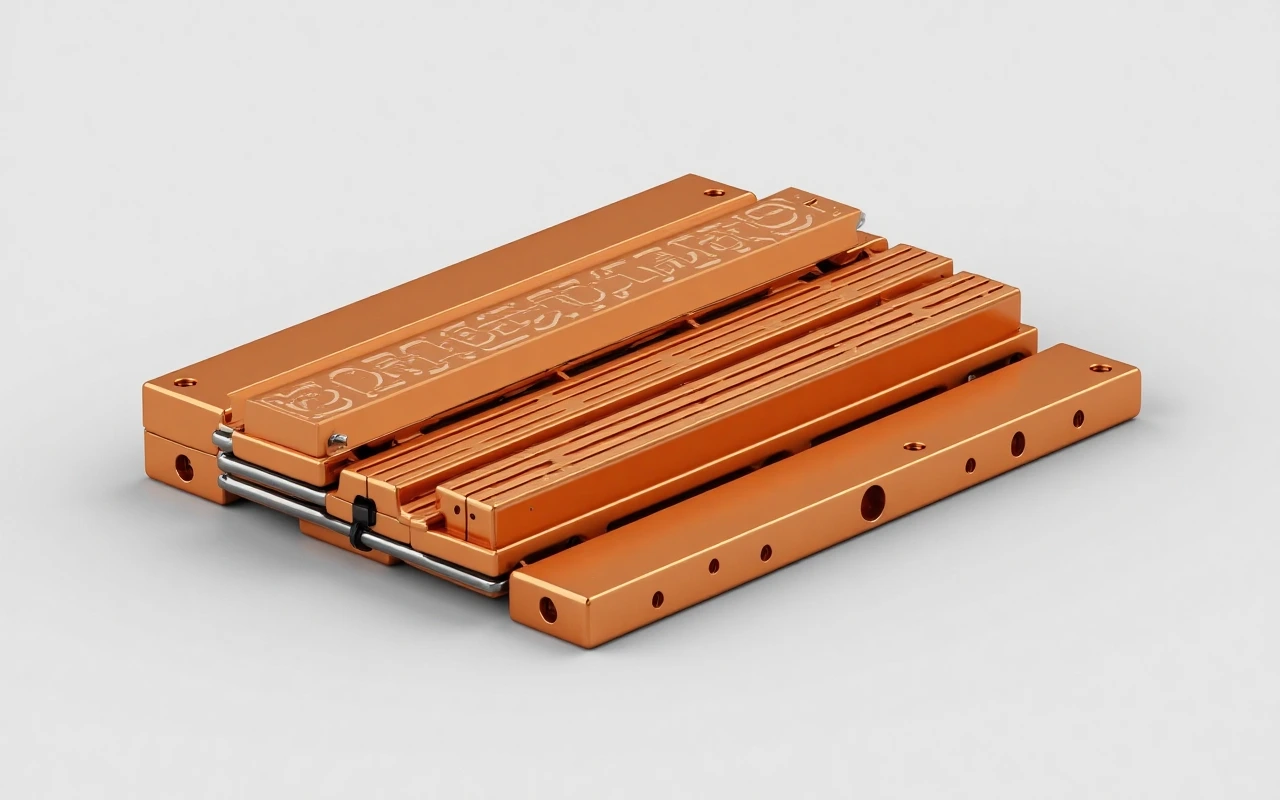
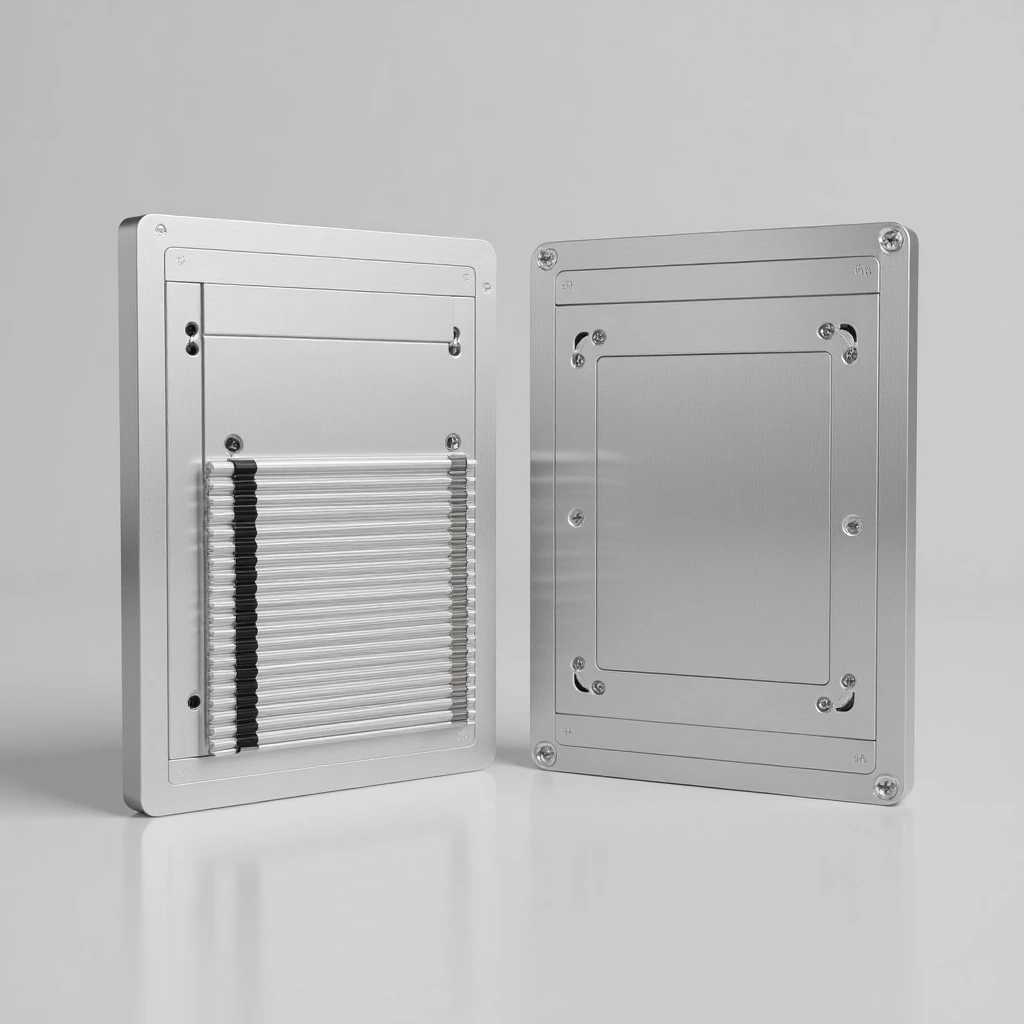
The case centers on EV battery components and a cooling-plate interface where channel position, wall sections and sealing features must match the surrounding assembly. The machining review connects those features to the thermal and structural requirements written into the project drawing.
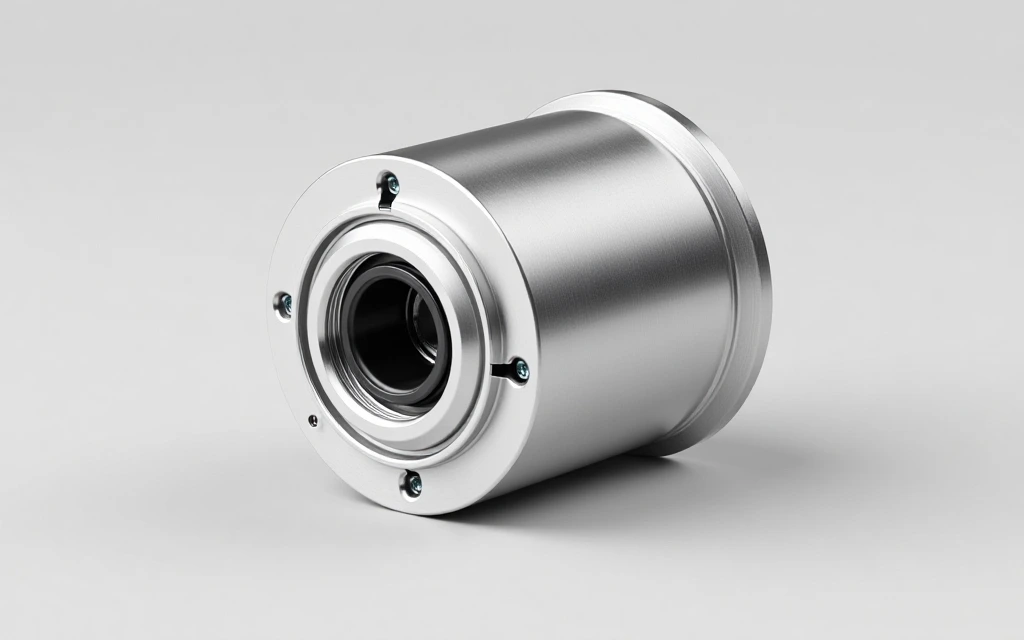
EV powertrain components such as motor housings add their own bore, alignment and mounting-face requirements. The process plan assigns datums and workholding before cutting, then checks the drawing-defined interfaces; EV charging components remain a separate scope when the program includes them.
The drawing defines the datums and fit criteria for EV thermal-management features; inspection scope is agreed for the project.
Quotation timing is two business days after complete drawings and project requirements are received. Manufacturing lead time is confirmed for the specific material, process, finish and quantity.
The manufacturing review compares tool access, workholding, material removal and inspection requirements. Any process change or expected performance benefit is confirmed against the part drawing and validated project data.
Inspection method and required documentation are defined by the drawing and project scope.
Procurement teams evaluating EV components suppliers and EV components companies need more than a machine shopβthey need a partner who understands platform timelines.
Customer documentation and special-process needs are reviewed before quotation and included only when agreed in the project scope.
Because we are one of the few EV components suppliers with both 5-axis milling and CNC turning under one roof, your motor housings, battery trays, and bus bars ship from a single audited sourceβwith one purchase order, one inspection standard, and one accountable team.
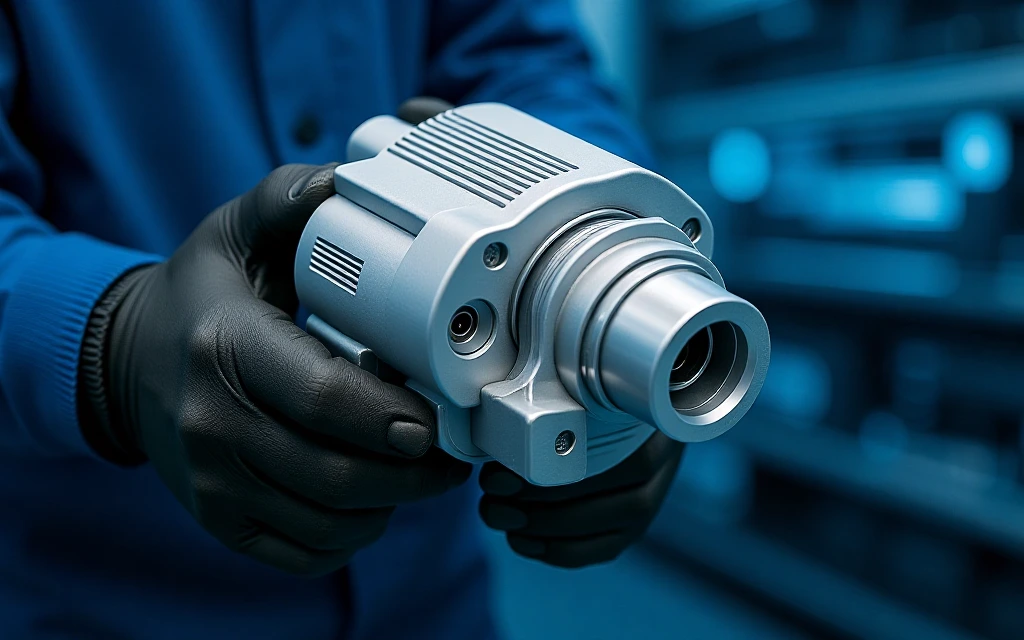
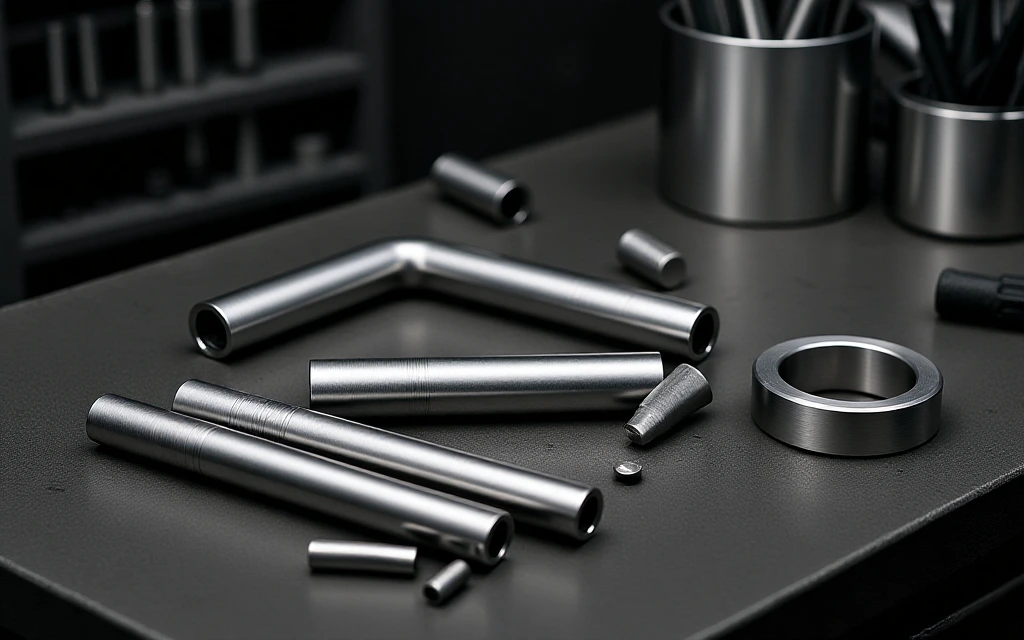
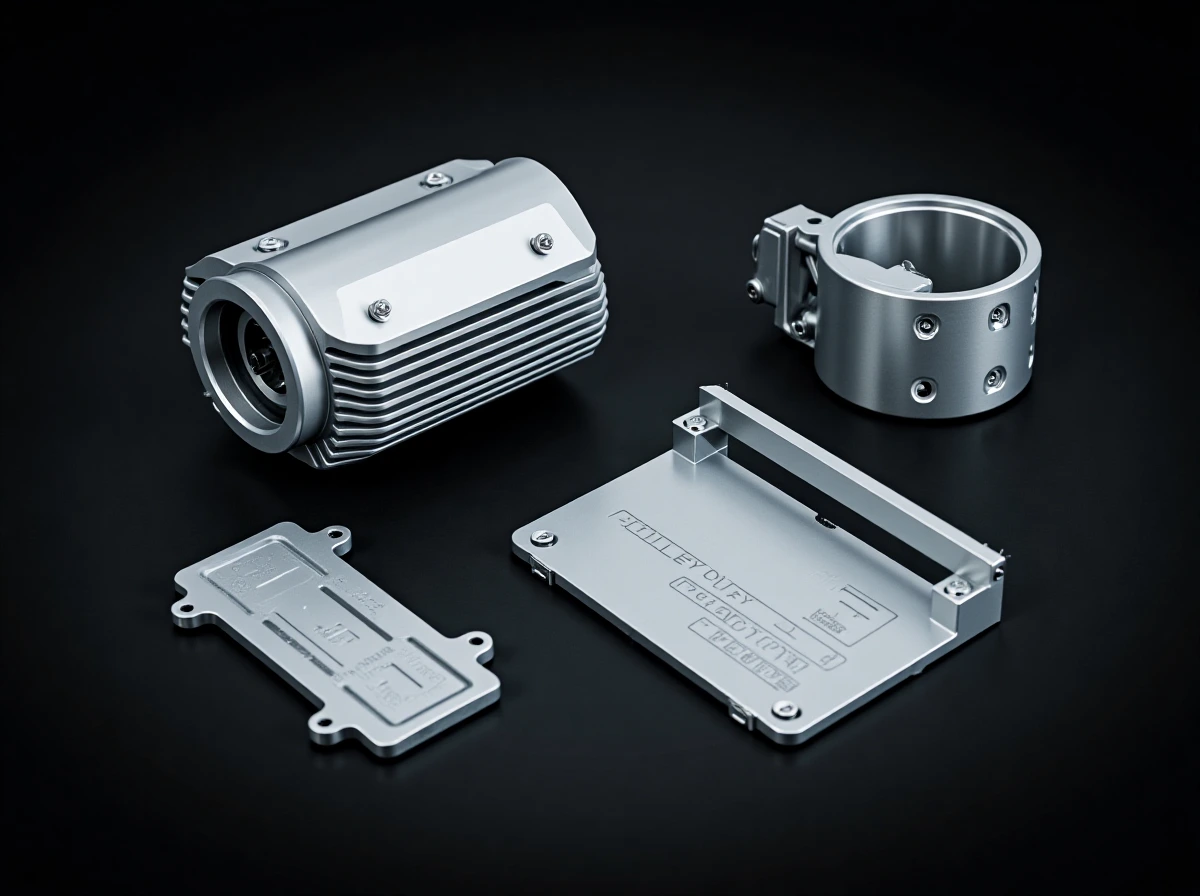
Real-world components engineered for electric vehicle powertrains, battery systems, and thermal management.
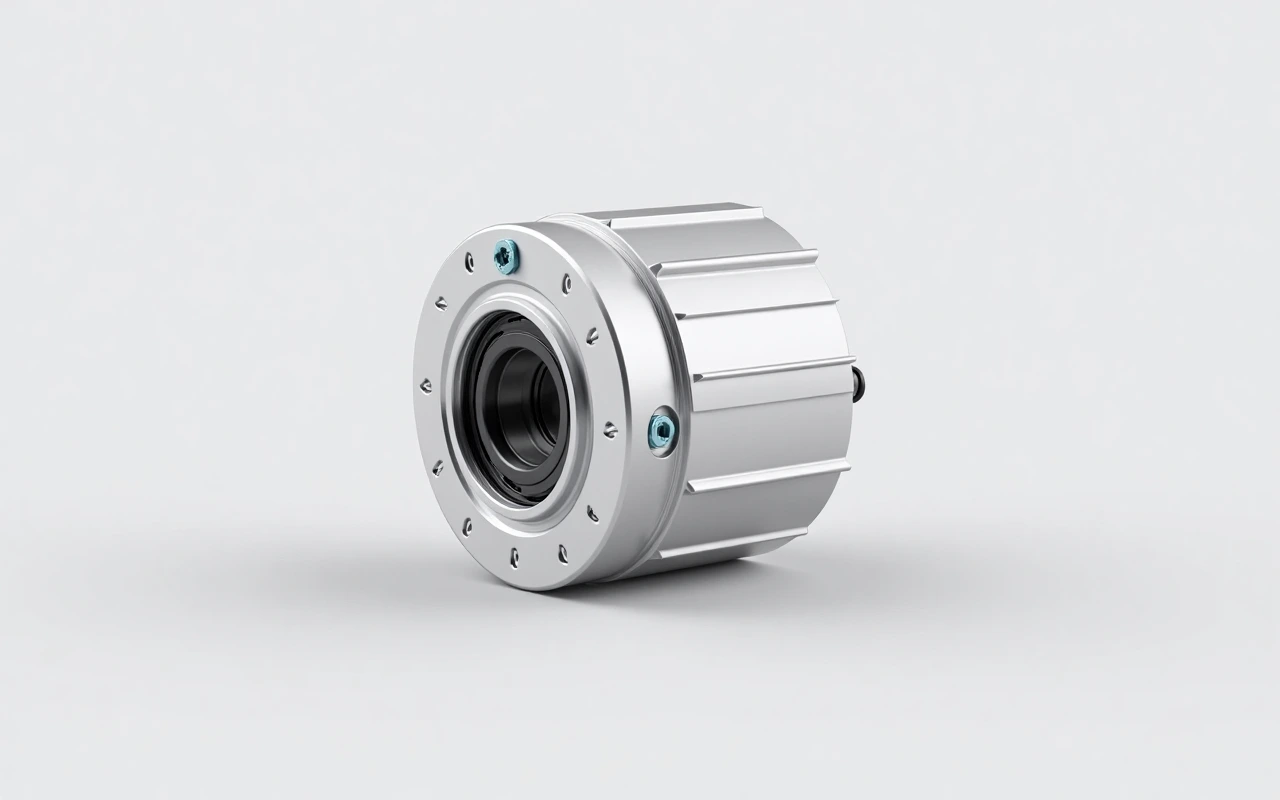
Precision bores, cooling jackets, and mounting interfaces for electric motors.
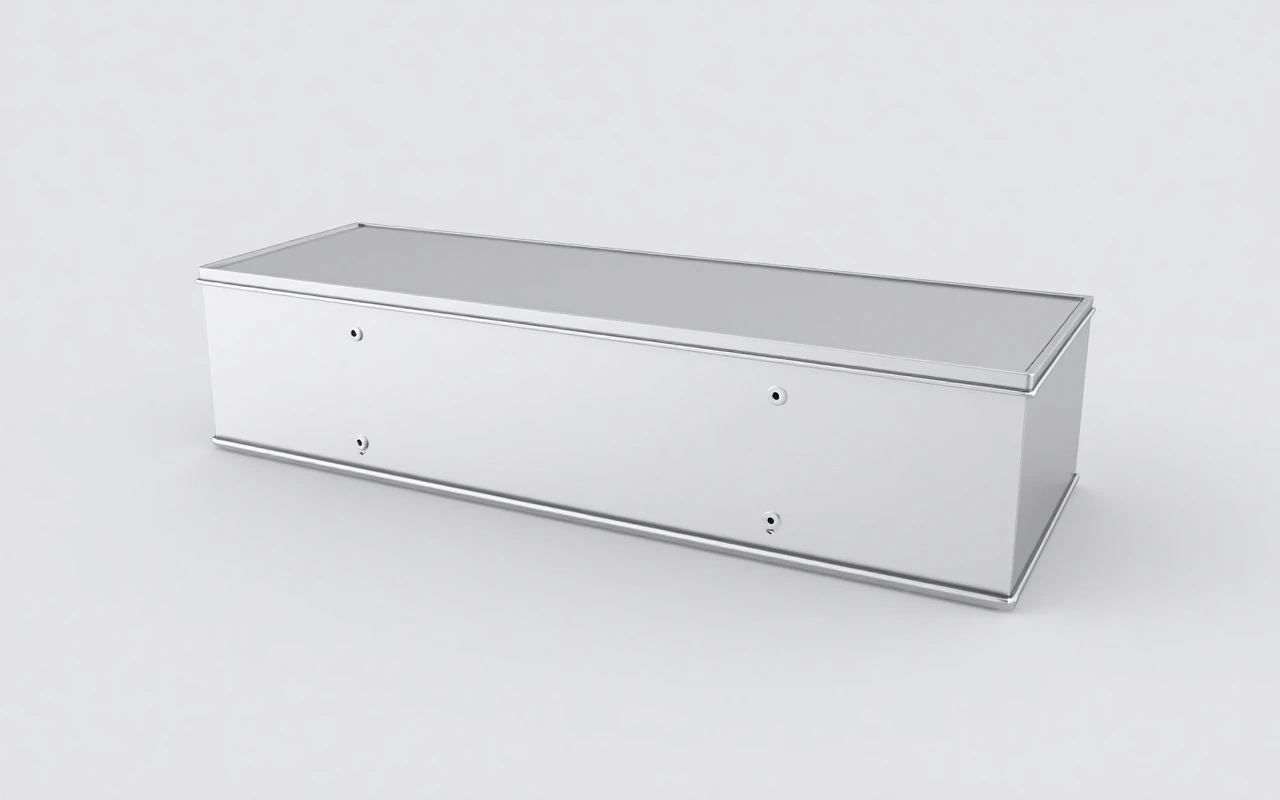
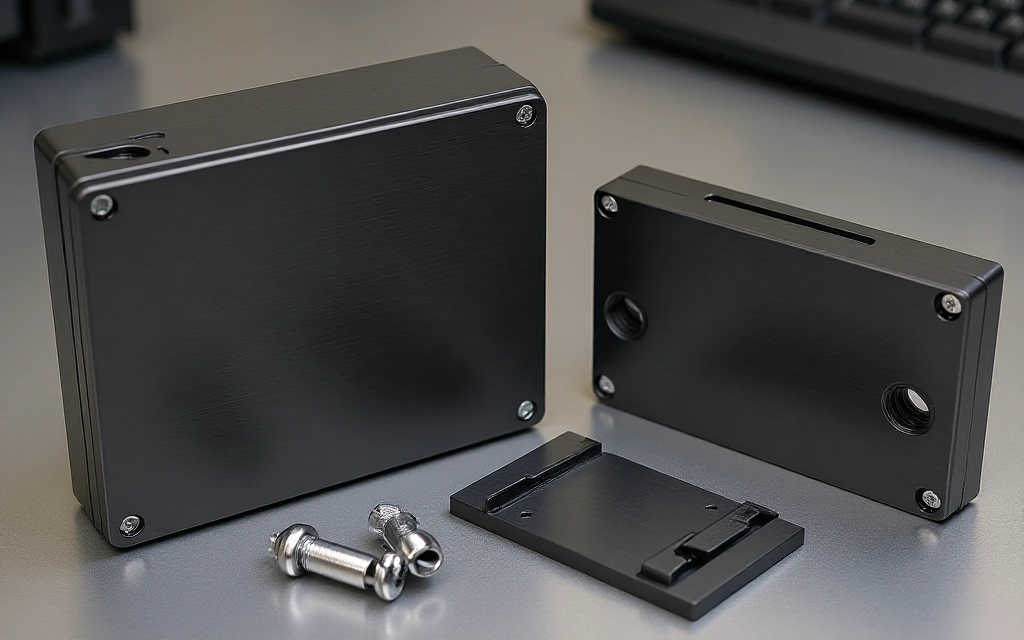
Structural trays and enclosures with precise mounting and sealing surfaces.
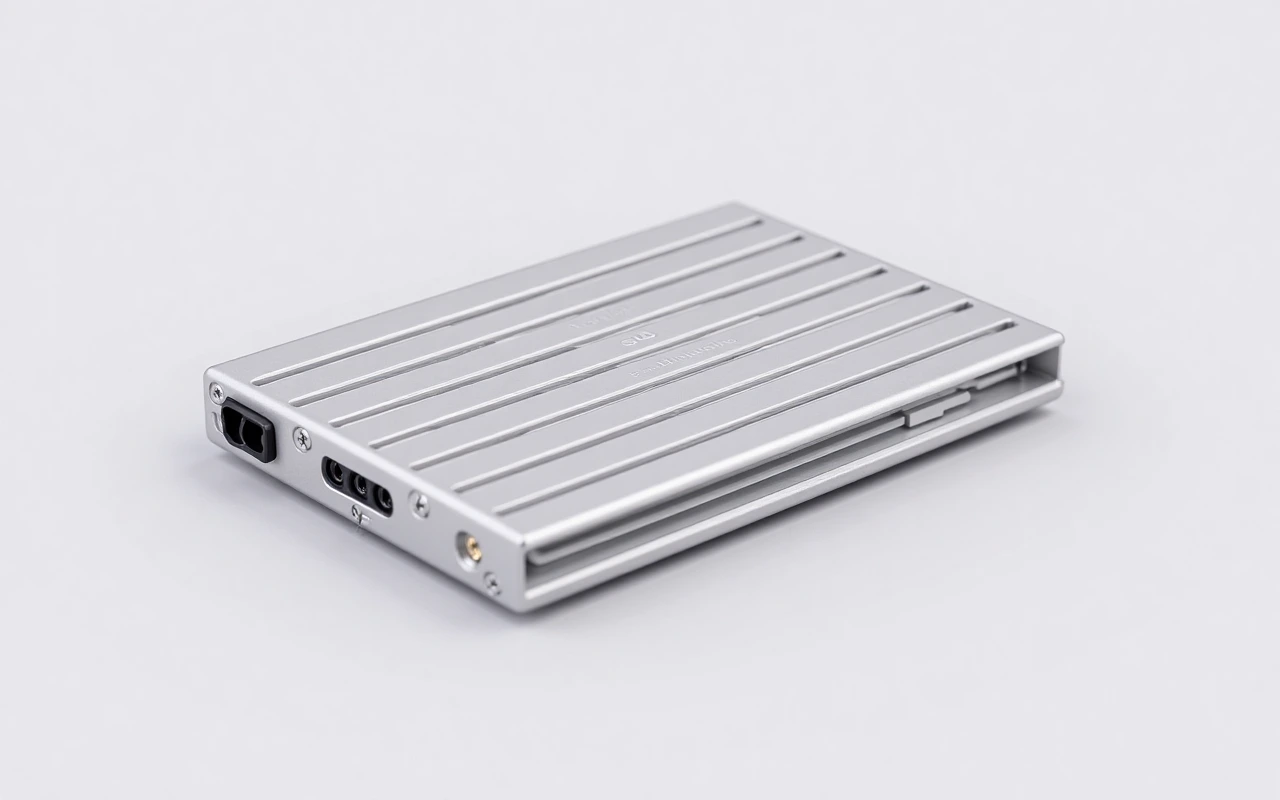
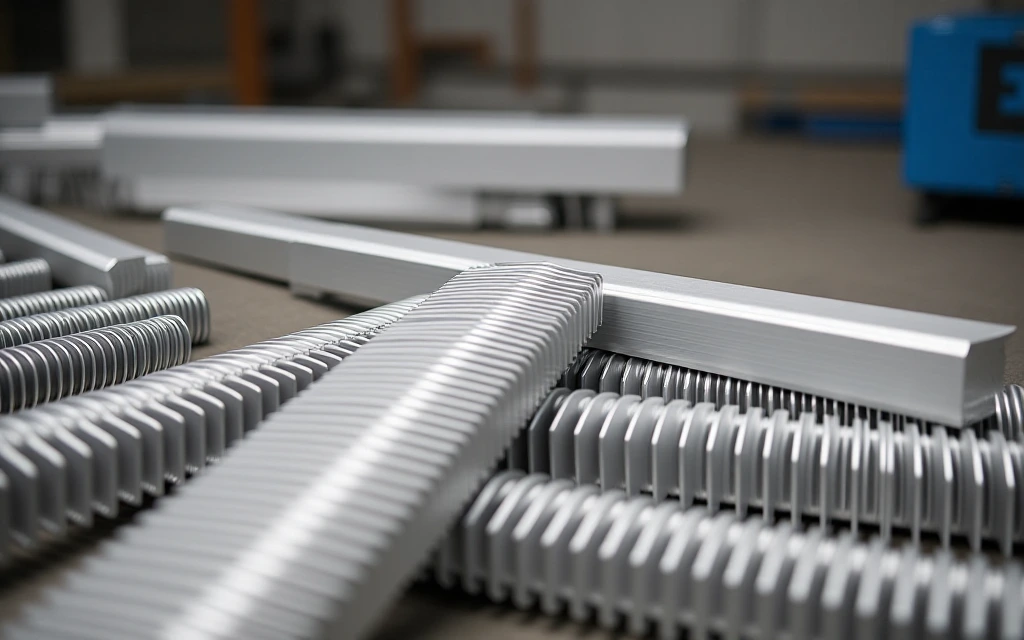
Internal channels and heat spreaders for battery and motor thermal management.
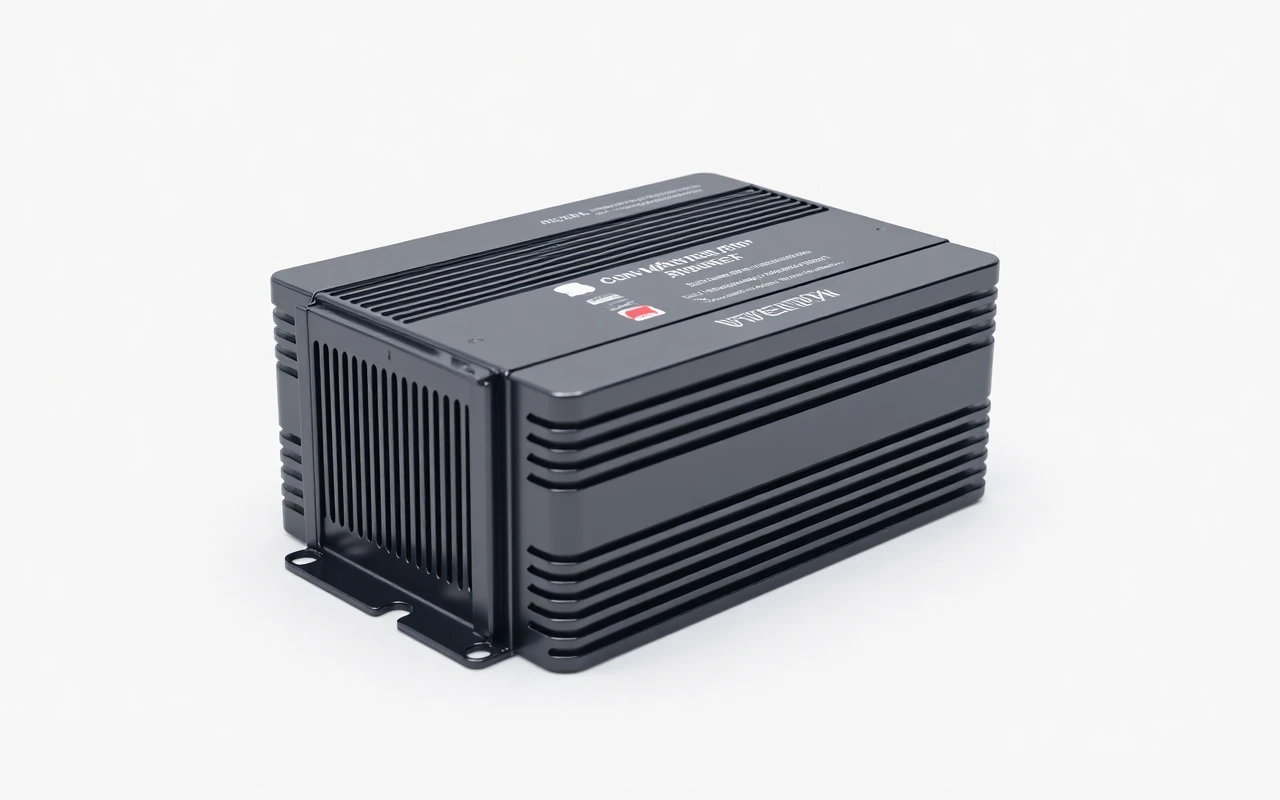
EMI-shielded housings with integrated cooling and connector mounting.
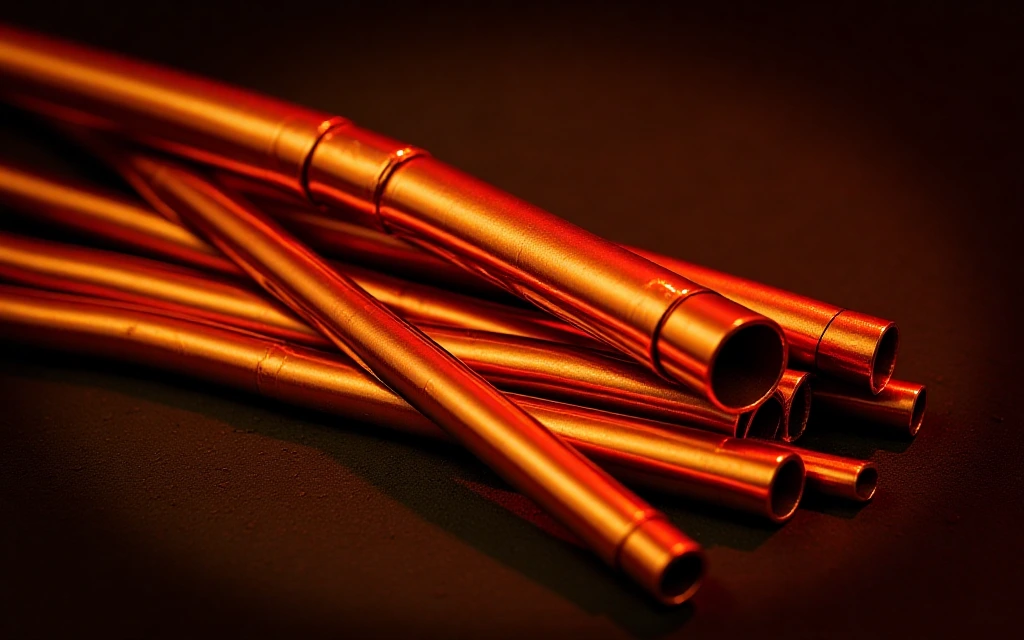
High-conductivity copper and aluminum bus bars with precision holes and slots.
Weather-resistant housings with precise connector alignment and sealing.
Inspection method, acceptance criteria, and requested records are agreed for the part and project scope.
The drawing defines the datums and fit criteria for ev batteries components & cell-holding hardware; inspection scope is agreed for the project.
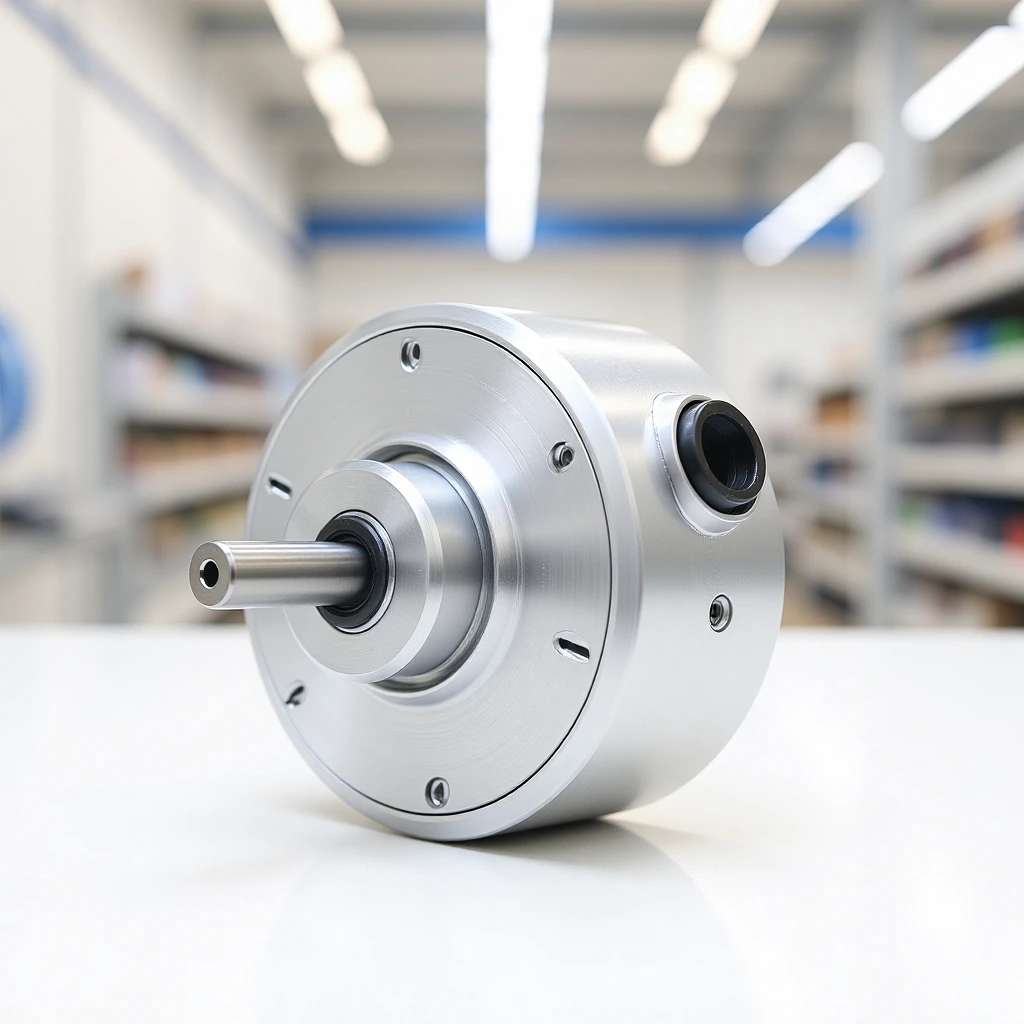
Electric drive units run at far higher RPM than combustion engines, so roundness and alignment directly set efficiency and NVH. We machine motor end bells, shafts, and reducer housings in a single fixturing strategy on our 5-axis machining centers, keeping datum relationships intact instead of re-clamping.
| Feature | Typical Tolerance | Agreed inspection approach |
|---|---|---|
| Stator / bearing bore | As specified in the drawing / agreed scope | Inspection method agreed for project |
| Bore cylindricity | As specified in the drawing / agreed scope | Inspection method agreed for project |
| Shaft diameter (bearing seat) | k6 / m6 | Inspection method agreed for project |
| Housing face to bore | As specified in the drawing / agreed scope | Inspection method agreed for project |
| Mounting pilot to bore | As specified in the drawing / agreed scope | Inspection method agreed for project |
We review ev motor & drivetrain components against the drawing to confirm process fit and inspection scope.
The EV charging station components and vehicle-side charging hardware we machine are built for electrical safety, thermal control, and weather exposure. This includes DC fast-charge connector housings, gun-style handle bodies, terminal blocks, contact carriers, liquid-cooled cable-end fittings, charging pedestal faceplates, and heat-sink bases for power modules.
Because charging interfaces carry high current and live outdoors, we prioritize sealing surfaces, precise connector alignment, and thermally conductive alloys such as 6061-T6 and C110 copper. High-power DC hardware also requires tight flatness and perpendicularity on cooling interfaces to keep contact temperatures controlled during sustained fast-charging sessions.
Customer-specific documentation and special-process needs are reviewed before quotation and included only when agreed in the project scope.
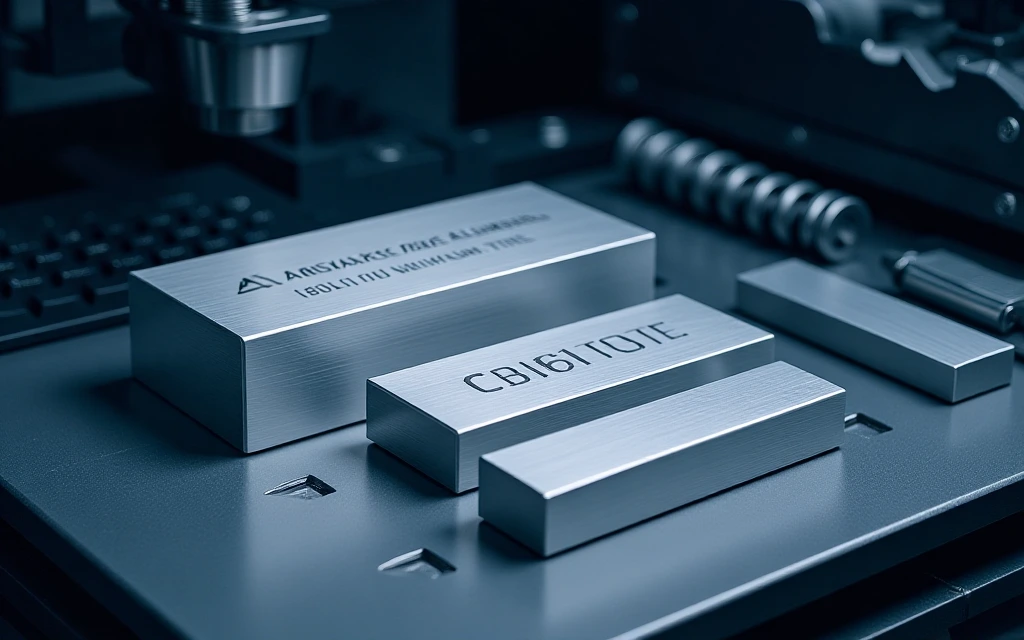
Lightweight, corrosion-resistant, and ideal for motor housings, battery trays, and structural brackets.
Explore β
Excellent extrudability and surface finish for heat sinks and cooling plate extrusions.
Explore β
Exceptional electrical and thermal conductivity for bus bars, connectors, and heat spreaders.
Explore β
Material and surface-finish options are reviewed against the vehicle application and drawing requirements.
Explore βMotor housings, battery trays, and cooling plates for sedan and SUV platforms.
Heavy-duty battery enclosures and thermal management for delivery vans and trucks.
Lightweight, high-performance components for electric racing and hypercar programs.
Compact motor housings and battery enclosures for electric motorcycles and scooters.
Large-format battery trays and cooling systems for electric buses and shuttles.
Grid-scale battery enclosures and thermal management components for stationary storage.
Start a project inquiry with the part and thermal-management requirements. Quotations are prepared within two business days after complete drawings and project requirements are received. Any requested manufacturability review is scoped during project review.
Get Your Free DFM Review βThe part geometry, material, feature access, and quantity determine the suitable machining route. Feasibility and inspection scope are reviewed from the drawing before quotation.
Material grade is considered against part function, operating conditions, and drawing requirements. Availability, finish options, and any requested material records are confirmed during quotation.
The part geometry, material, feature access, and quantity determine the suitable machining route. Feasibility and inspection scope are reviewed from the drawing before quotation.
Tolerance and fit requirements are reviewed against the supplied drawing. Feasibility depends on geometry, material, machining process, and agreed inspection scope.
Finish options are reviewed against the material, operating environment, and drawing. Availability, acceptance criteria, and any external processing are confirmed in the project scope.
Requested quantity and production stages are reviewed against the part geometry, material, and process. Capacity and manufacturing lead time are confirmed for the agreed project scope.
Manufacturing lead time is confirmed after reviewing material availability, machining process, finish, and quantity. Quotation timing is two business days after complete drawings and requirements are received.
Certification, customer documentation, and special-process requirements are reviewed for each inquiry. Any applicable records and requirements are confirmed before quotation.
Join the EV manufacturers that trust CNC Works AI for precision electric vehicle components. Get your quotation and DFM review today.
Get Your quotation β