01
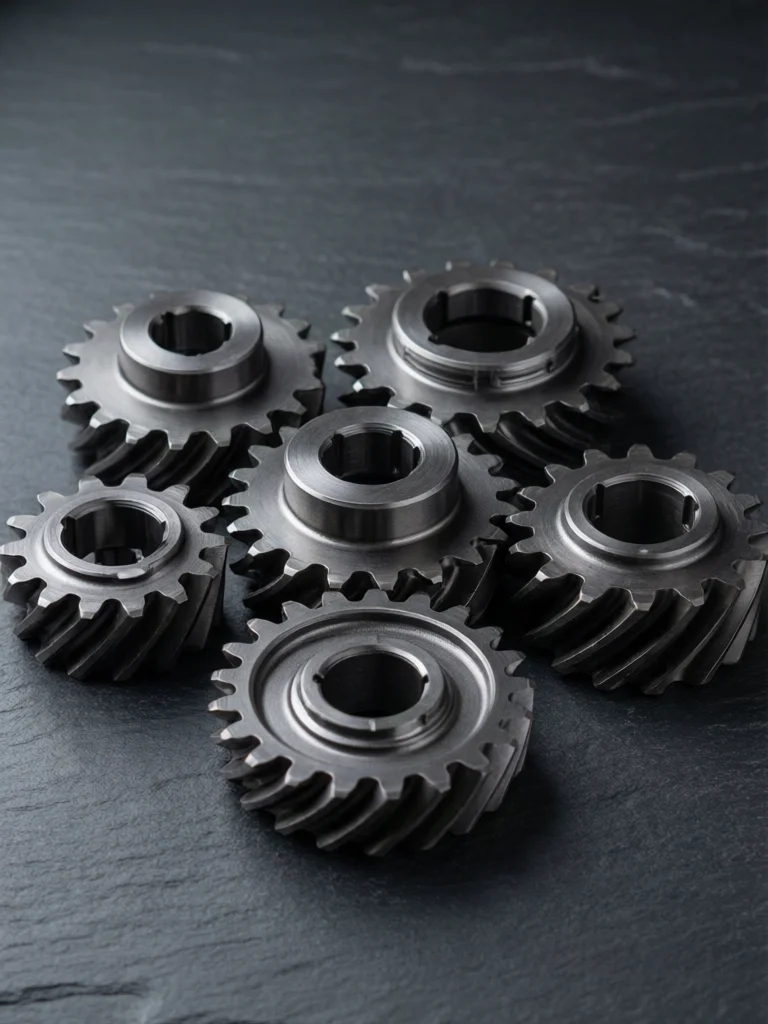
Transmission Gear Sets
Per drawingWe review transmission gear sets against the drawing to confirm process fit and inspection scope.
This motorcycle transmission case follows a gear-and-shaft assembly from drawing review through process planning and inspection. The focus is on tooth form, spline and journal interfaces, with configuration differences treated as part of the project scope.
Request a Technical QuoteThe case centers on motorcycle transmission components such as gear sets, shafts and shift drums. A motorcycle automatic transmission and a manual gearbox may arrange these parts differently, but both rely on drawing-defined relationships among journals, splines, teeth and supporting bores.
The manufacturing sequence is planned around those interfaces: confirm the drawing and material, set the machining datums, reserve stock for specified finishing operations, and verify the features that control assembly. DCT transmission motorcycle layouts add their own configuration details, so they are reviewed separately.
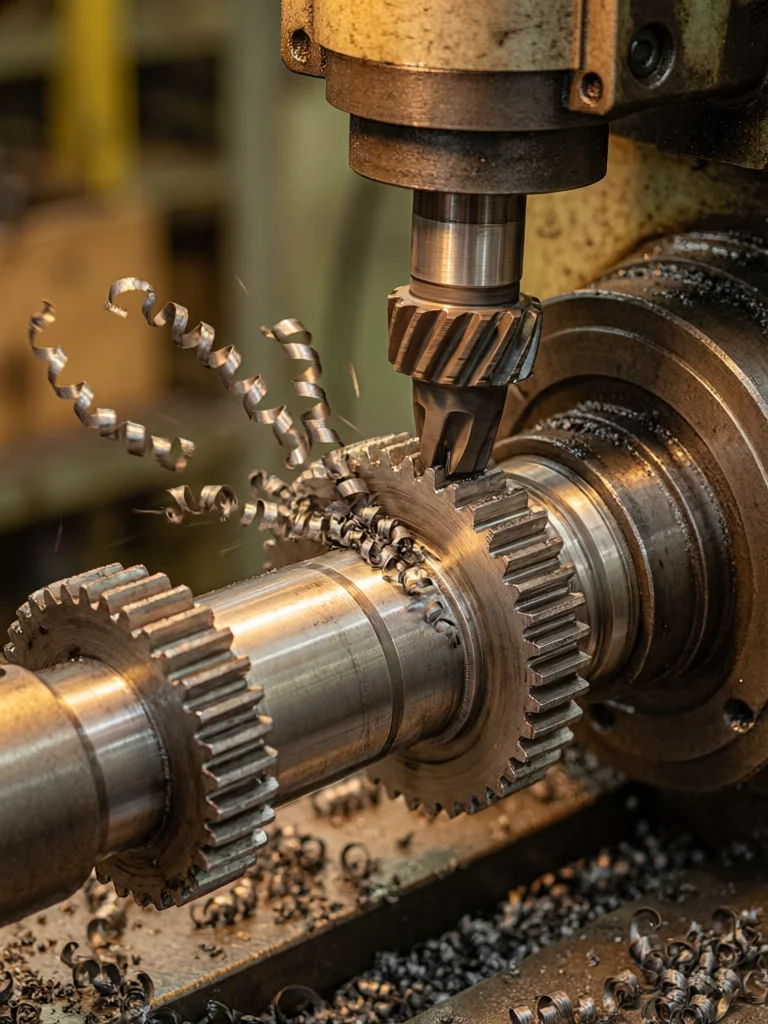
CNC gear hobbing and form milling for spur and helical gear sets with controlled module, pressure angle, and tooth accuracy.
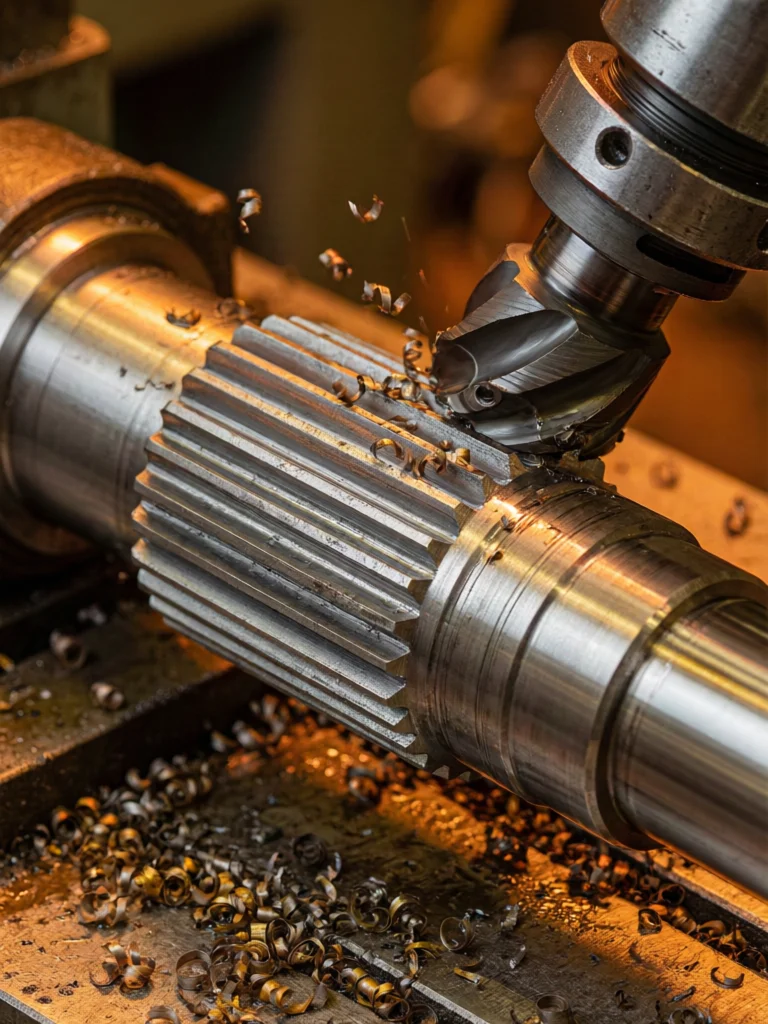
Internal and external spline generation on shafts using CNC milling and broaching for precise torque transmission fit.
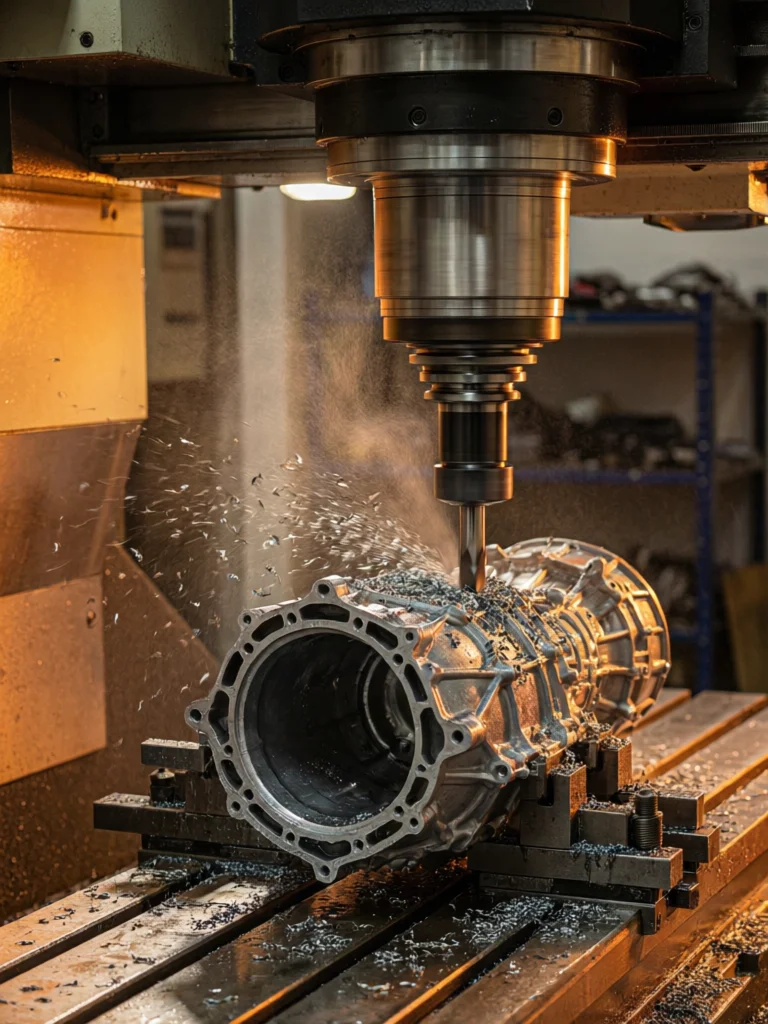
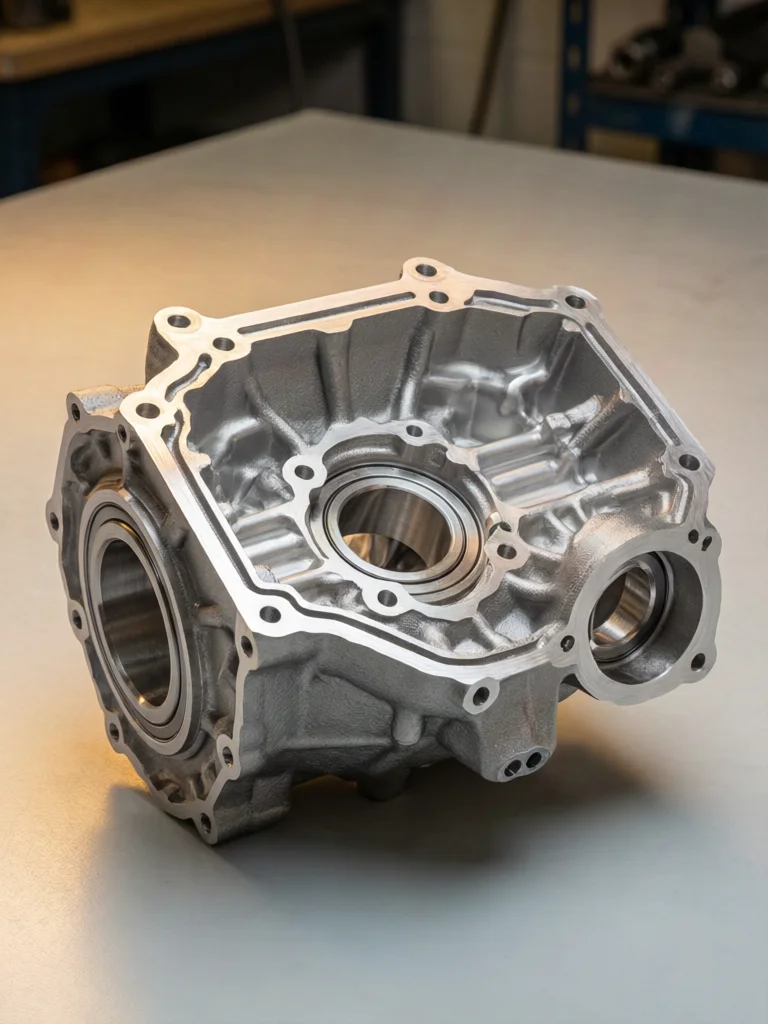
Single-setup 5-axis milling of gearbox cases with complex internal bearing bores, seal pockets, and mounting faces.
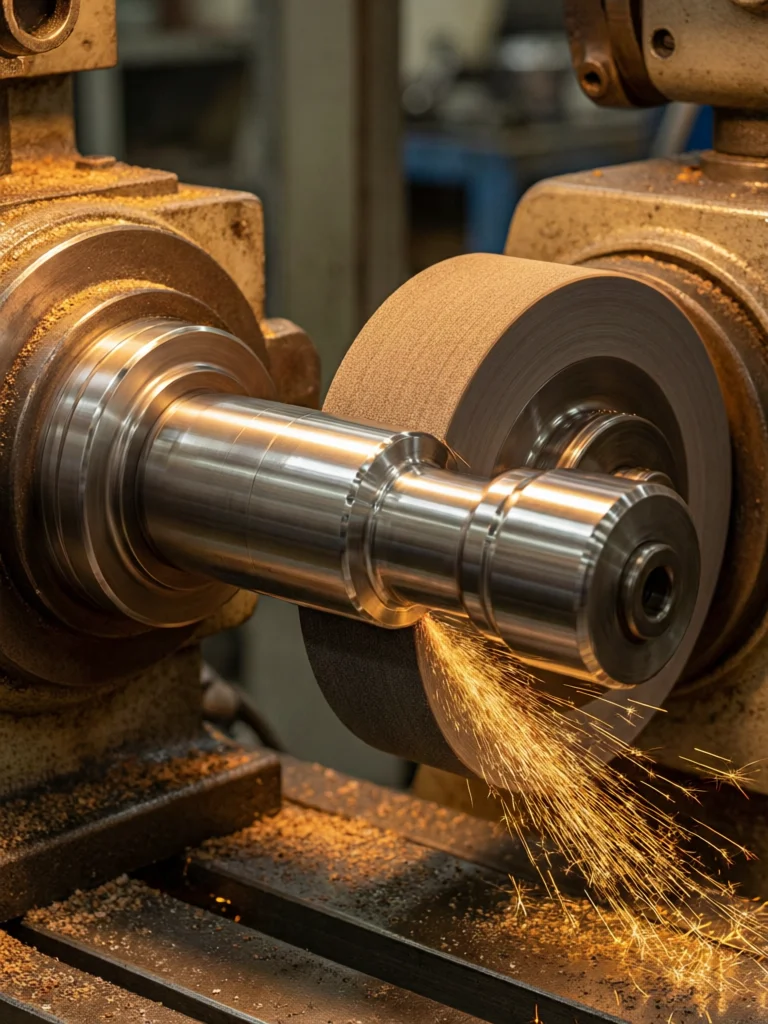
The drawing defines the datums and fit criteria for precision shaft grinding; inspection scope is agreed for the project.
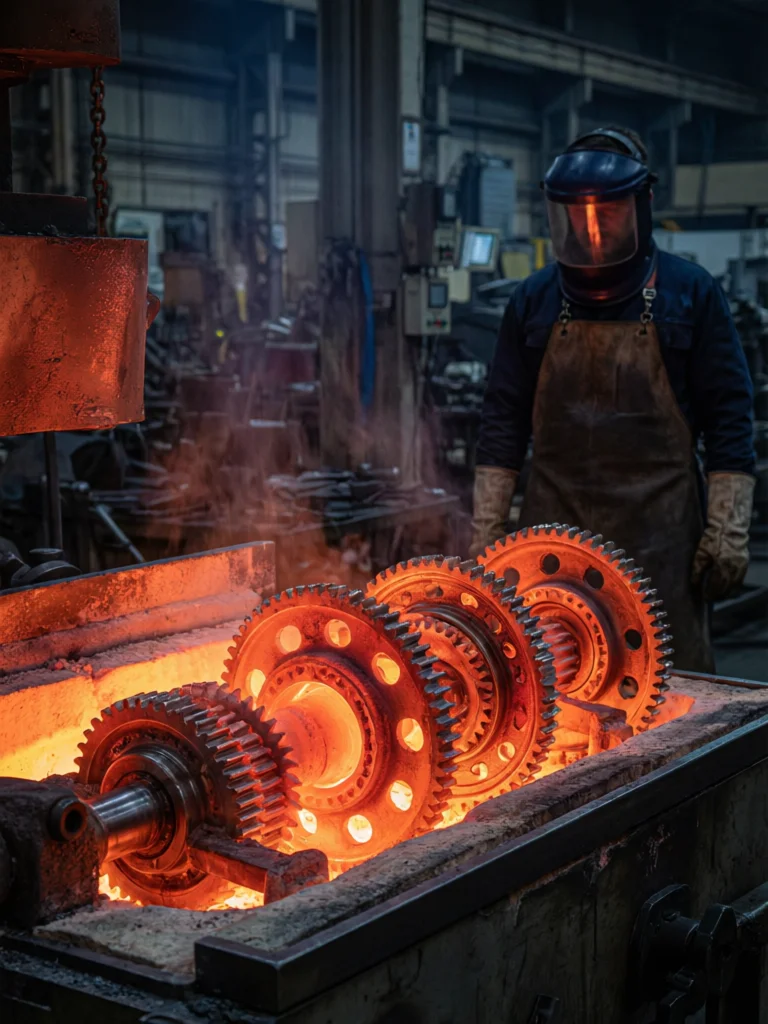
Controlled atmosphere carburizing and gas nitriding for gear teeth and selector mechanisms, with hardness testing per lot.
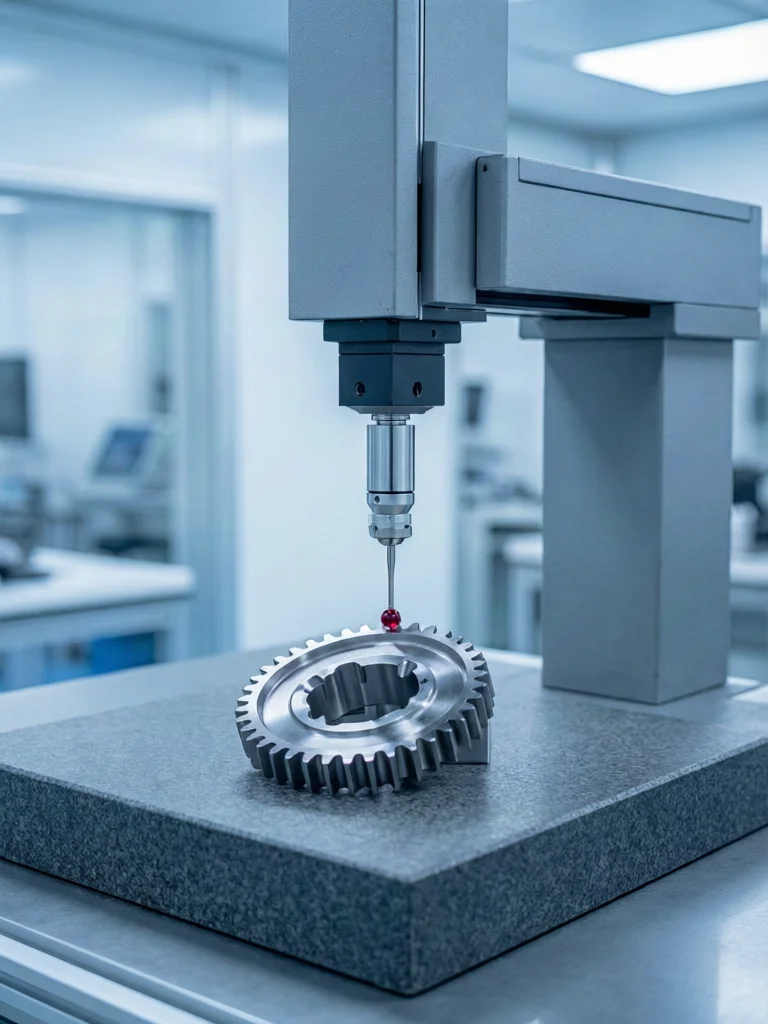
Coordinate measuring of tooth profile, lead, and pitch deviation; surface roughness verification on ground flanks.
DCT, CVT, semi-automatic, 6-speed, and reverse-gear builds each change which parts we machine and how
| Type | Typical Parts We Machine | Key Process Requirements |
|---|---|---|
| DCT (dual clutch) | Dual input shafts, twin shift drums, clutch hubs, dog rings | Two parallel gear trains → paired shaft parallelism; drum groove Per drawing for shift timing |
| CVT (scooter) | Primary & secondary pulley sheaves, sliding bushings, drive faces | As specified in the drawing / agreed scope |
| Semi-automatic | Shift drums, shift forks, detent stars, conventional gear sets | Same parts as manual, higher shift-cycle fatigue spec on fork contact pads |
| 6-speed manual | Constant-mesh gear sets, main/counter shafts, selector mechanisms | Core strength of the page — see Gearbox Components below |
| With reverse gear | Reverse idler gear, extended shift drum, three-wheeler housings | Extra ratio set + wider housing bore spacing; 5-axis machining of extended cases |
Drawing files can be shared through an agreed channel after initial contact. Material, quantity, finish, critical dimensions, and inspection requirements are reviewed for the project.
From gear design to assembly-ready components
Validation of module, pressure angle, helix angle, and backlash requirements before cutting.
Forged or cast blanks normalized and stress-relieved to minimize distortion during machining.
Gear cutting, shaft turning, and housing milling with stock allowance for heat treatment.
Carburizing, hardening, and tempering of gears; nitriding of selector drums per specification.
Grinding of gear tooth profiles and shaft journals; honing of bearing bores to final tolerance.
Functional check of shaft stack-up, gear mesh backlash, and shift drum indexing before shipment.
We review transmission gear sets against the drawing to confirm process fit and inspection scope.
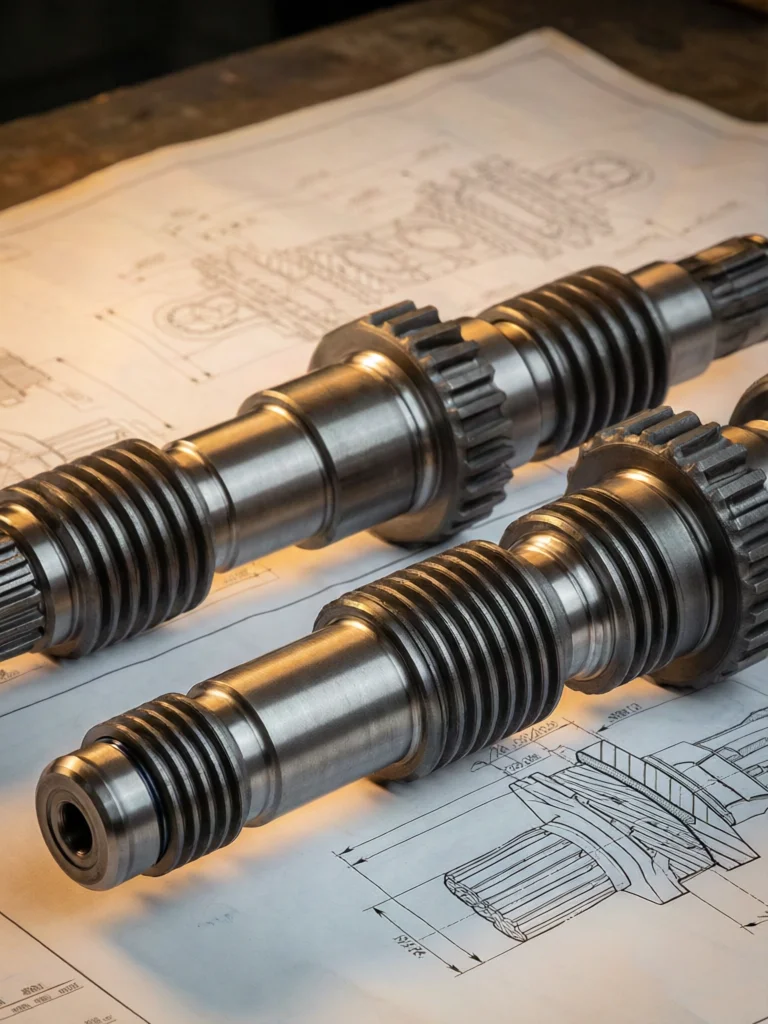
According to our CNC machining knowledge base, transmission shafts are rotating mechanical components designed to transmit power and rotational motion. CNC turning creates cylindrical forms and diameters. CNC milling machines keyways and splines for gear engagement. Precision grinding achieves tight tolerances on bearing journal surfaces. Heat treatment achieves required mechanical properties.
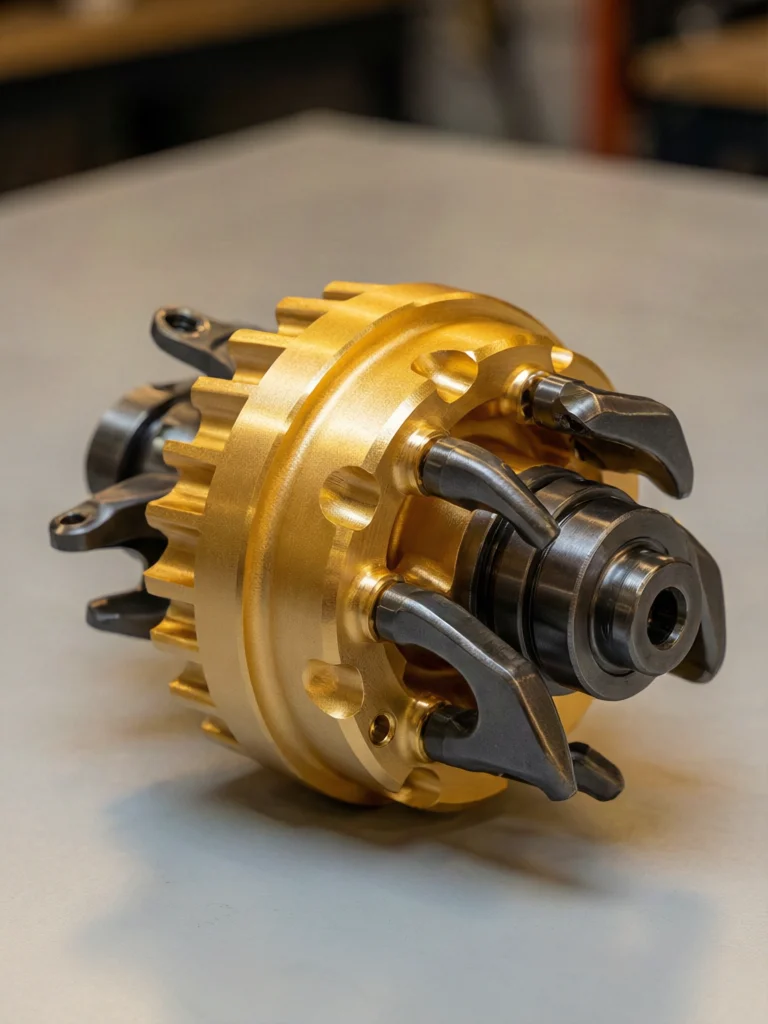
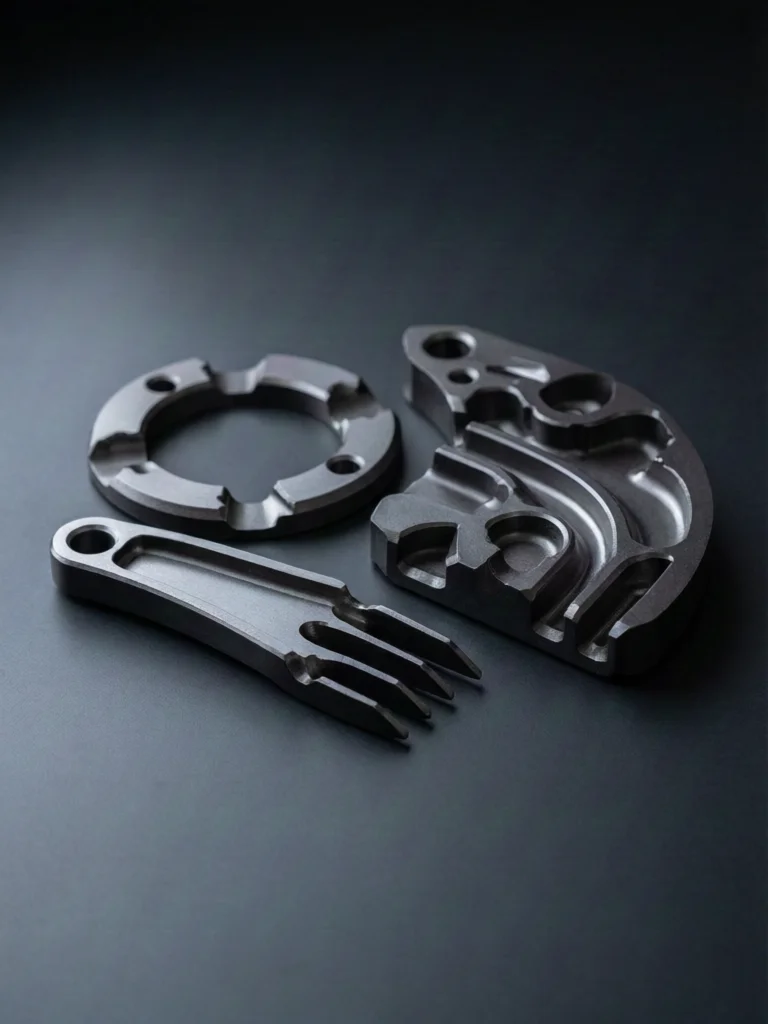
Ratchet mechanisms, selector drums, and detent stars machined to precise indexing angles for positive gear engagement. CNC milling produces ratchet tooth profiles with controlled backlash. Nitriding or hard anodizing provides wear resistance on high-cycle contact surfaces.
Material grade is considered against part function, operating conditions, and drawing requirements. Availability, finish options, and any requested material records are confirmed during quotation.
The part geometry, material, feature access, and quantity determine the suitable machining route. Feasibility and inspection scope are reviewed from the drawing before quotation.
Tolerance and fit requirements are reviewed against the supplied drawing. Feasibility depends on geometry, material, machining process, and agreed inspection scope.
Finish options are reviewed against the material, operating environment, and drawing. Availability, acceptance criteria, and any external processing are confirmed in the project scope.
Component durability depends on design, material, operating conditions, and assembly. Machining features follow the drawing; any performance testing and acceptance criteria must be specified and agreed for the project.
Inspection methods, acceptance criteria, and requested records are reviewed against the specification and included only when agreed in the project quotation.
Requested quantity and production stages are reviewed against the part geometry, material, and process. Capacity and manufacturing lead time are confirmed for the agreed project scope.
Certification, customer documentation, and special-process requirements are reviewed for each inquiry. Any applicable records and requirements are confirmed before quotation.
Quotation timing is two business days after complete drawings and project requirements are received. Manufacturing lead time is confirmed for the specific material, process, finish and quantity.
Request Technical Quote
Project support
Open Live Chat to connect. Replies may not be immediate.
Chat uses browser storage to retain your conversation. Privacy Policy