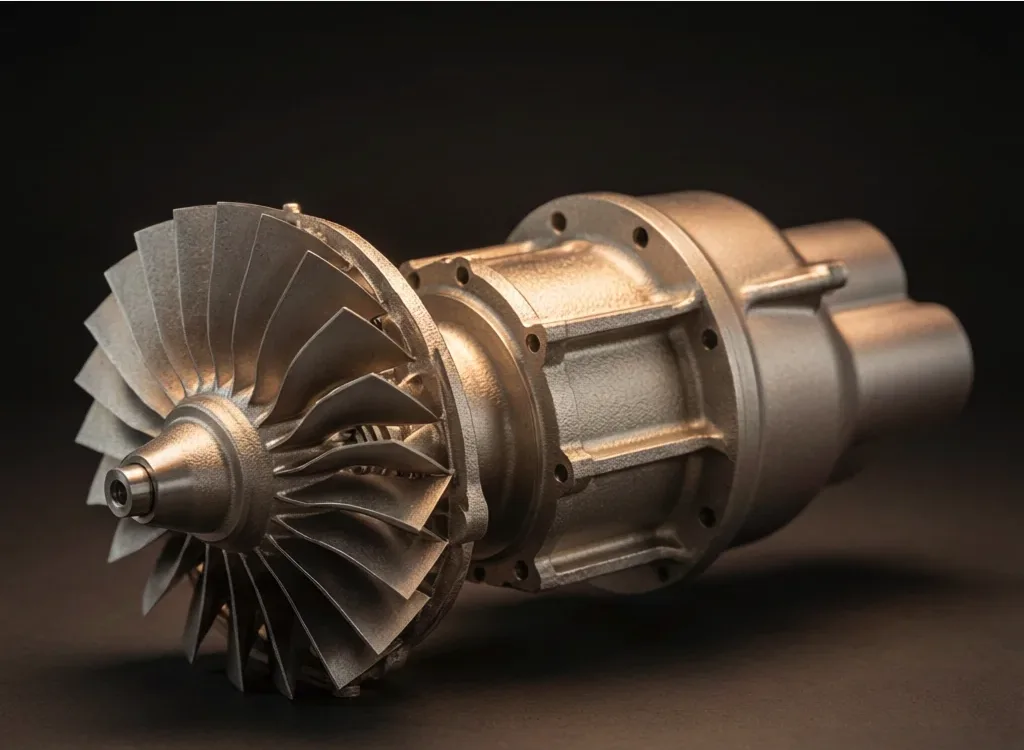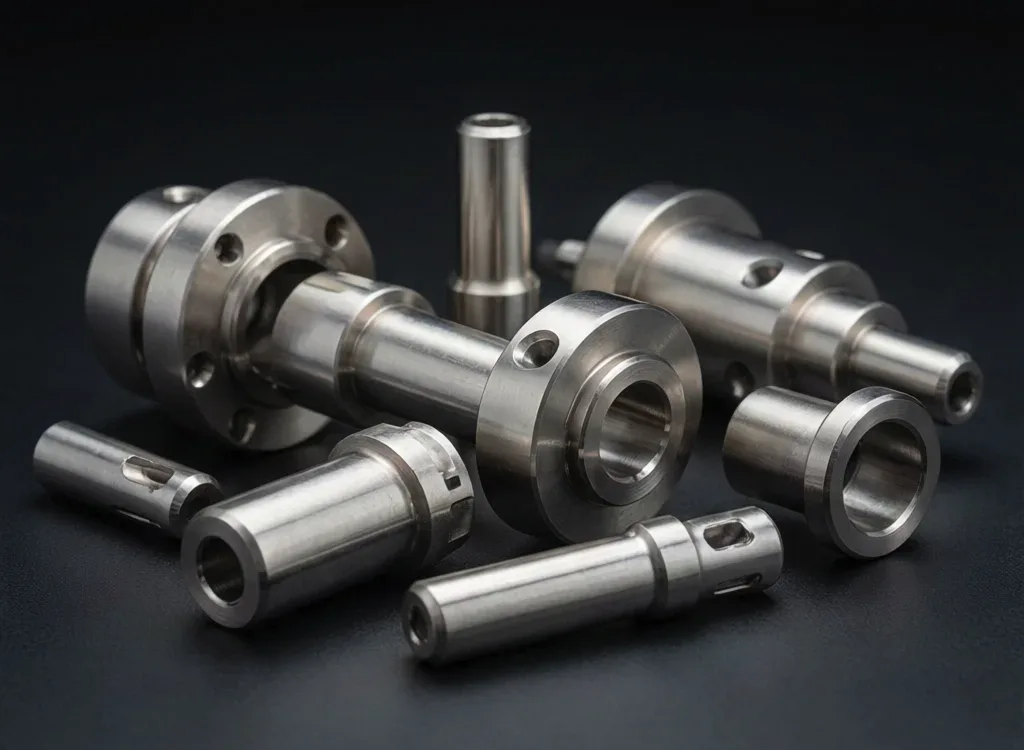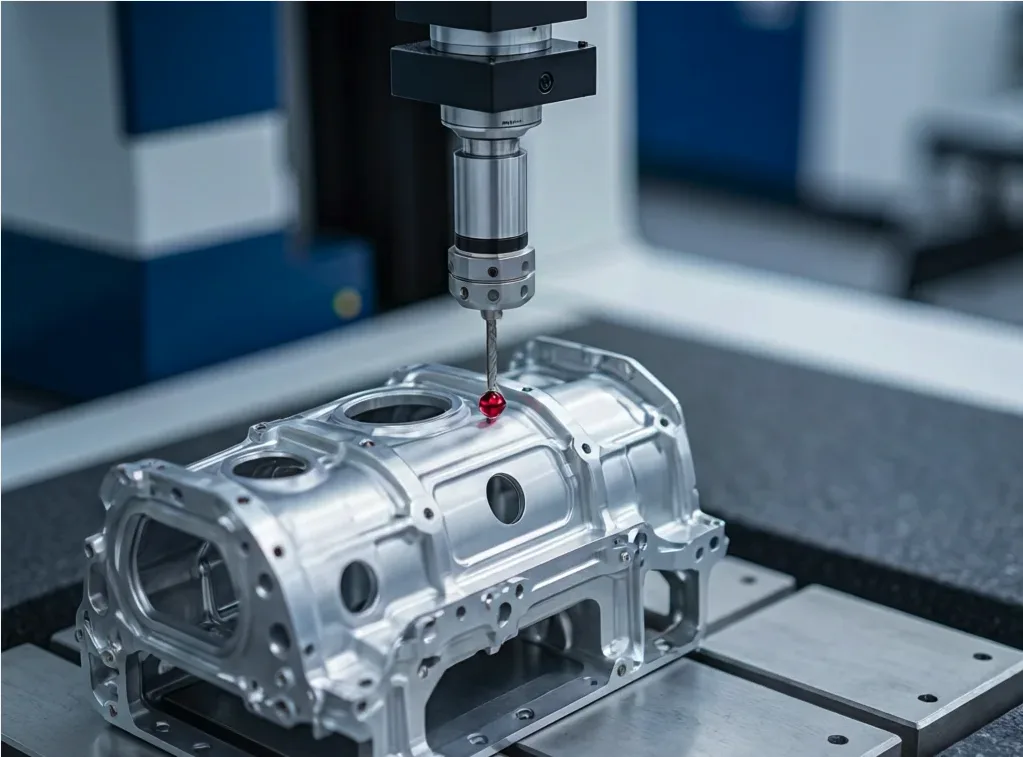
This aerospace avionics case follows an electronics housing and its interfaces from drawing review to machining and inspection planning. The story centers on pocket geometry, connector access, mounting alignment and the requirements set by the design.
Per drawing / agreed scope
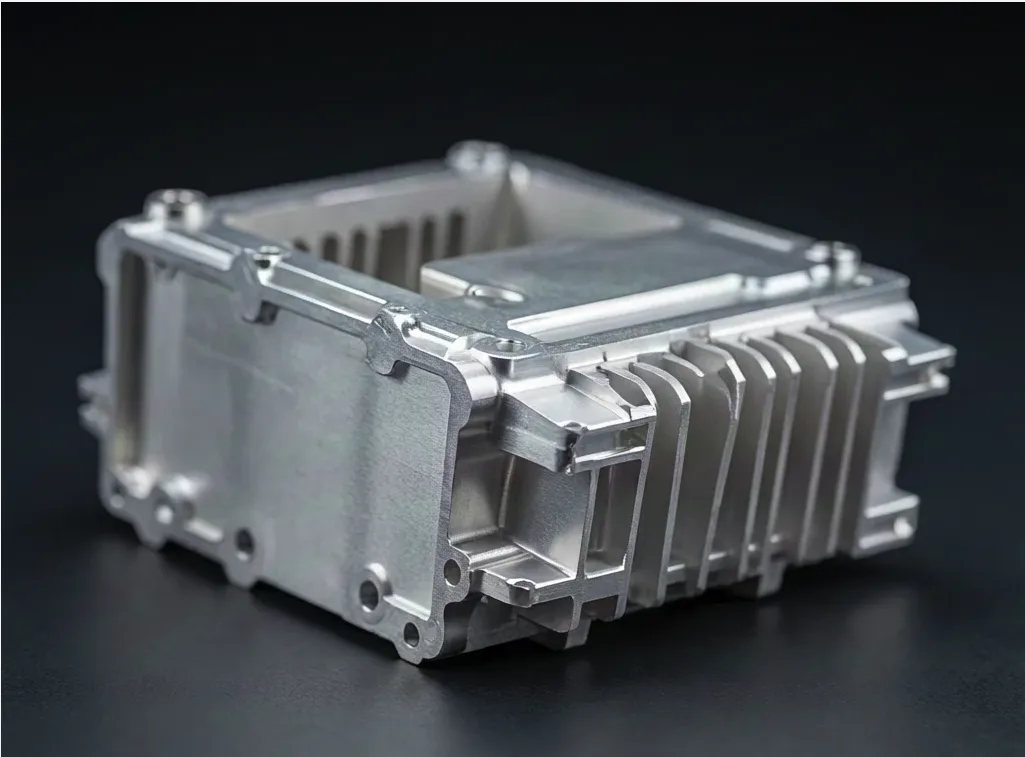
The case centers on avionics housings and a guidance enclosure that must package electronics while preserving connector, mounting and service interfaces. Those aerospace avionics components bring several machined features together in one assembly, so the drawing datums and mating parts guide the review.
The manufacturing plan weighs pocket access, wall transitions, fastener locations and any shielding or thermal interfaces specified by the design. Avionics enclosure machining is then organized around those features, with the inspection plan tied to the same datums rather than an unsupported blanket tolerance.
Start Your Avionics Project βMaterial records, first-article inspection, and certificates of conformity are confirmed against the project specification and included only when agreed.
We review avionics housings & chassis against the drawing to confirm process fit and inspection scope.
Quote Housing Program β
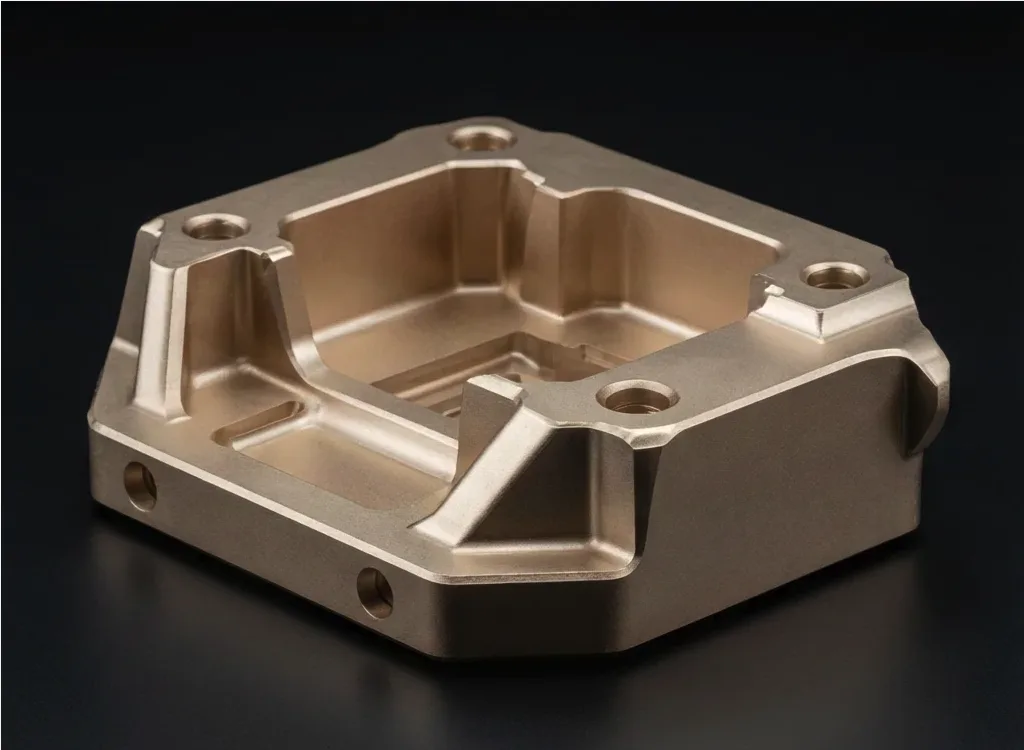
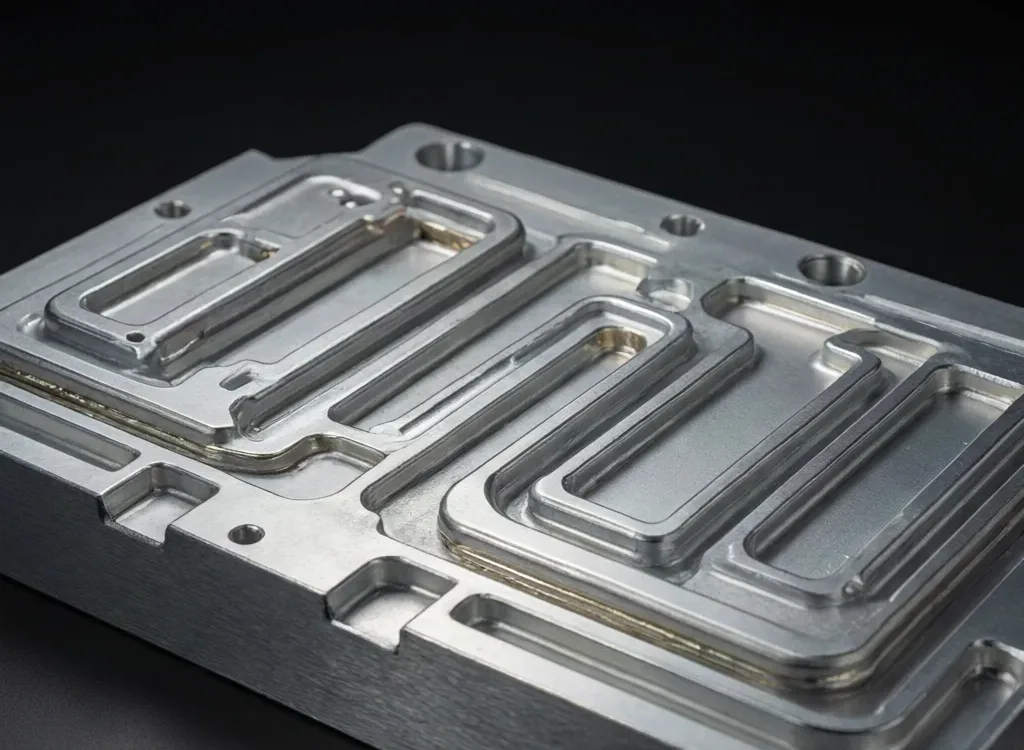
Inertial navigation and GPS guidance units demand enclosures that eliminate thermal drift while surviving high-g vibration profiles. Our 5-axis simultaneous machining handles complex internal pocket geometries in a single setup.
Request Enclosure Machining β
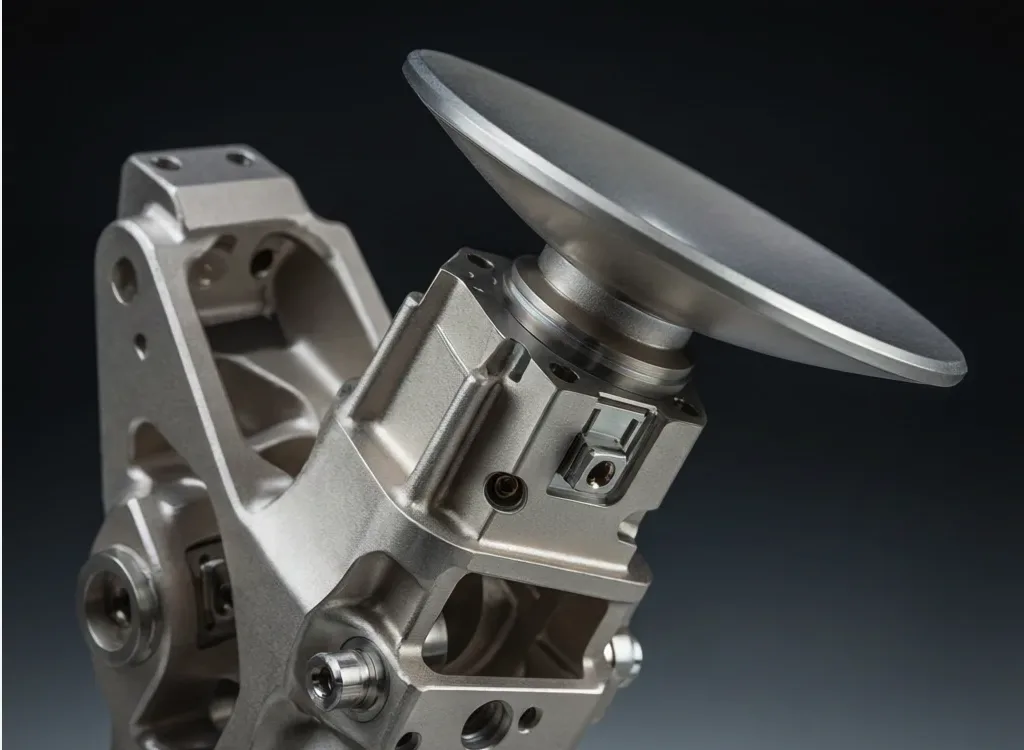
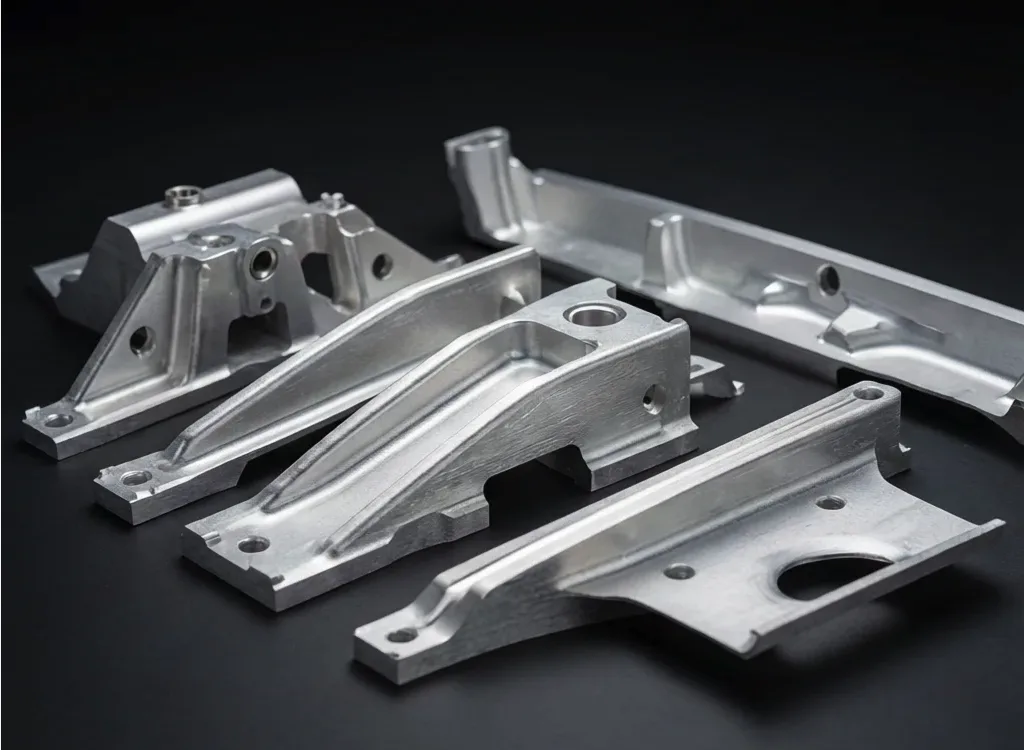
The drawing defines the datums and fit criteria for antenna mounts & radomes; inspection scope is agreed for the project.
Quote Antenna Mount Program β
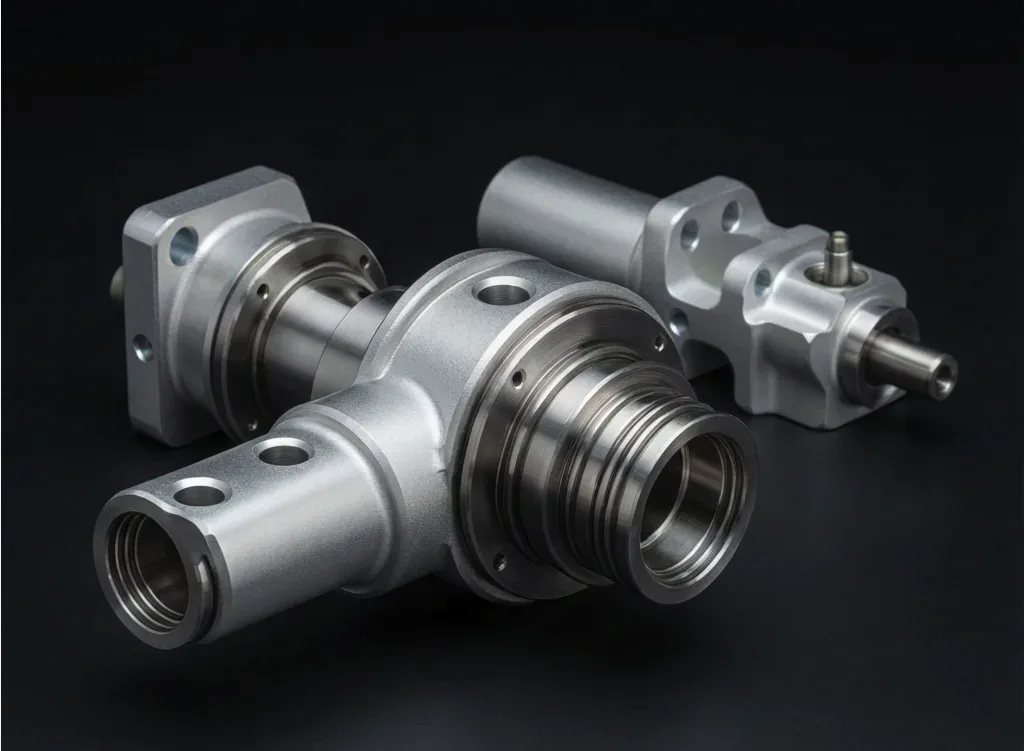
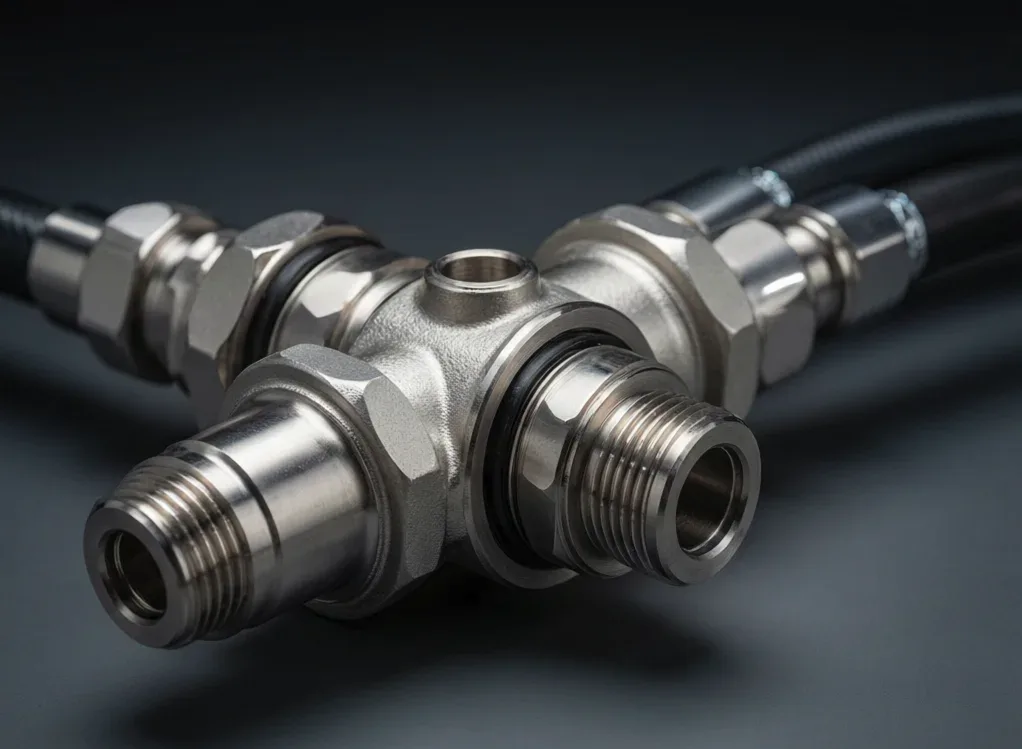
We review connector backshells & adapters against the drawing to confirm process fit and inspection scope.
Quote Backshell Program β
We review emi/rfi shielding components against the drawing to confirm process fit and inspection scope.
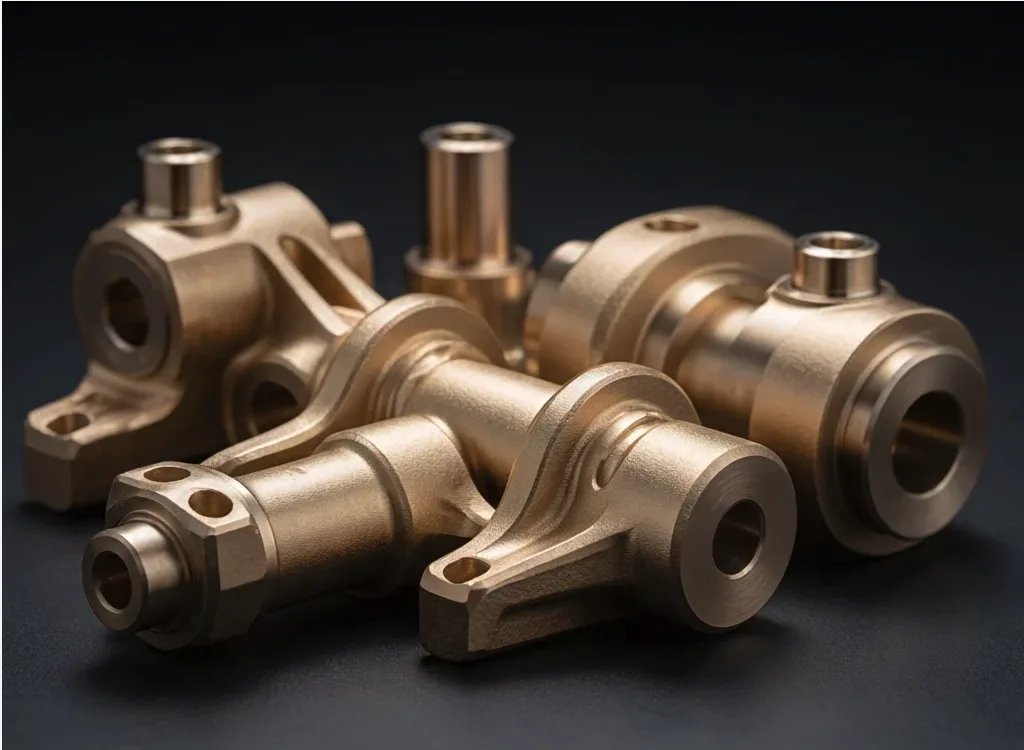
Start Shielding Project βBeyond individual parts, we machine complete component sets for avionics and aerospace systemsβthe housings, enclosures, brackets, and shielding assemblies that must integrate and function as one unit in flight.
Inspection method, acceptance criteria, and requested records are agreed for the part and project scope.
Customer-specific documentation and special-process needs are reviewed before quotation and included only when agreed in the project scope.
We review material and process choices against the drawing to confirm process fit and inspection scope.
We review ti-6al-4v eli against the drawing to confirm process fit and inspection scope.
Explore Material β
We review inconel 718 against the drawing to confirm process fit and inspection scope.
Explore Material β
Dielectric strength and chemical resistance. For insulating bushings, isolators, and non-conductive spacers.
Explore Material βComplex internal pockets and compound-angle mounting feet machined in a single setup. Eliminates accumulated error.
Learn More βInspection method, acceptance criteria, and requested records are agreed for the part and project scope.
Get a Quote βIn academic terms, aerospace engineering covers the design of aircraft and spacecraft as complete systemsβairframes, propulsion, and aerodynamicsβwhile avionics engineering focuses on the electronic systems on board: communication, navigation, flight control, and displays. One discipline asks "how does the aircraft fly"; the other asks "how does it sense, decide, and communicate."
We regularly machine coaxial adapters, fiber-optic connectors, cooling plates, and bus-bar assemblies for commercial and defense avionics programs. Start a project inquiryβwe prepare quotations within two business days after receiving complete drawings and project requirements.
Start a Project InquiryTolerance and fit requirements are reviewed against the supplied drawing. Feasibility depends on geometry, material, machining process, and agreed inspection scope.
Material grade is considered against part function, operating conditions, and drawing requirements. Availability, finish options, and any requested material records are confirmed during quotation.
Finish options are reviewed against the material, operating environment, and drawing. Availability, acceptance criteria, and any external processing are confirmed in the project scope.
The part geometry, material, feature access, and quantity determine the suitable machining route. Feasibility and inspection scope are reviewed from the drawing before quotation.
Manufacturing lead time is confirmed after reviewing material availability, machining process, finish, and quantity. Quotation timing is two business days after complete drawings and requirements are received.
The part geometry, material, feature access, and quantity determine the suitable machining route. Feasibility and inspection scope are reviewed from the drawing before quotation.
Material grade is considered against part function, operating conditions, and drawing requirements. Availability, finish options, and any requested material records are confirmed during quotation.