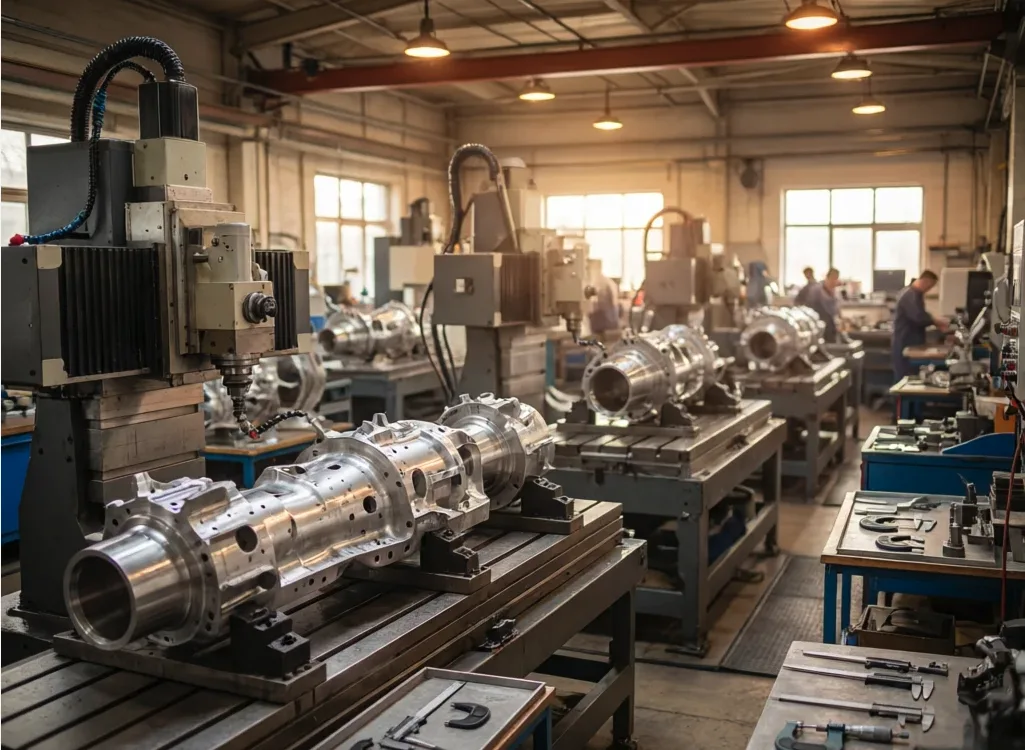
Space Components CNC Machining

Space Components CNC Machining Case Study: Satellite Bracket

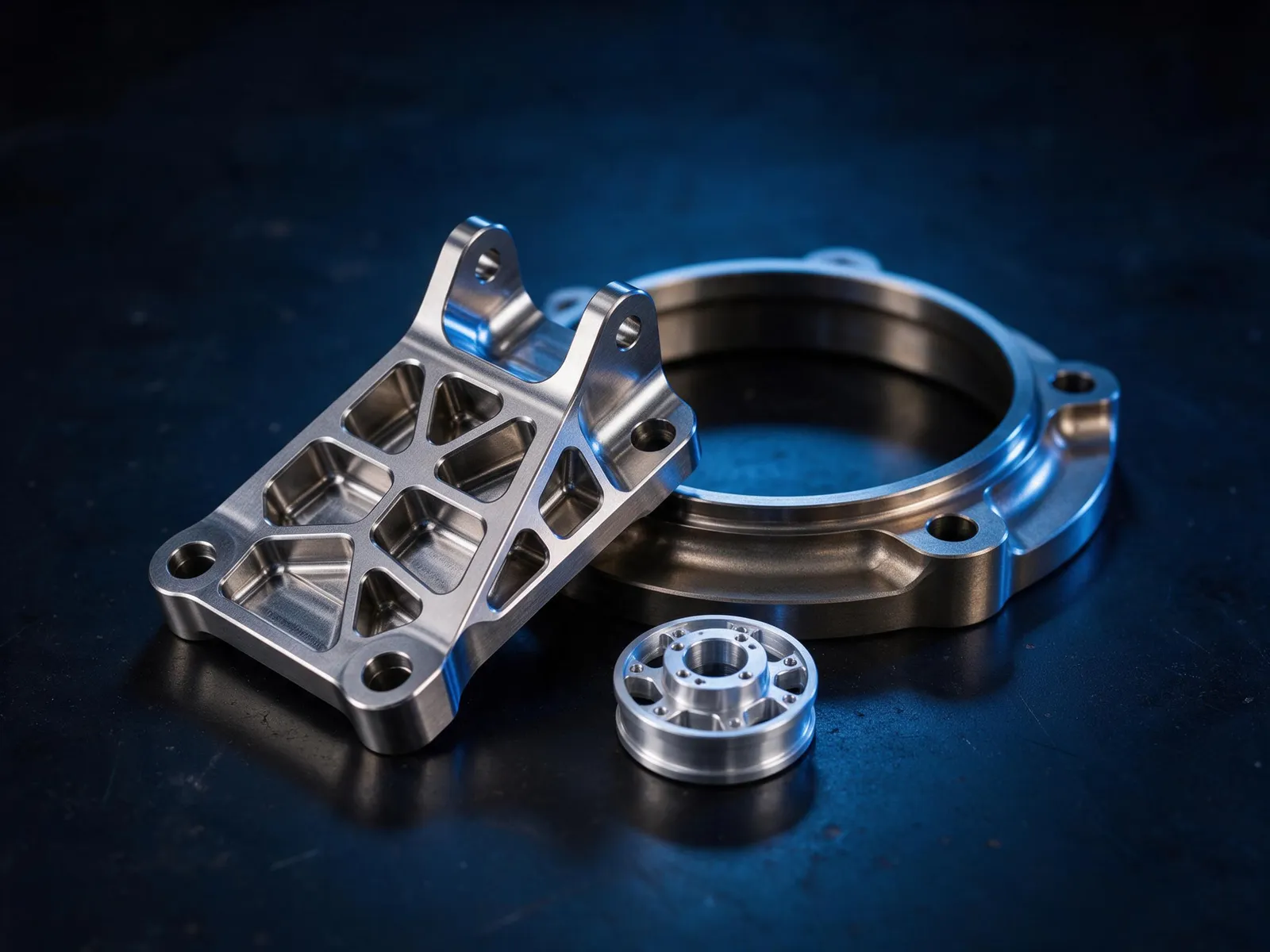
This space components case follows a satellite mounting bracket from design review through machining and inspection planning. The focus is the connection between mounting geometry, material choice and the requirements specified for the spacecraft assembly.

CNC machining workshop for space components TI-6AL-4V Β· SATELLITE BRACKETS

Case Brief: Part Function and Requirements

The case centers on satellite brackets that join equipment or structure while preserving alignment across their mounting faces and fastener patterns. These spacecraft structural components are designed around the loads and environmental conditions specified by the program; CNC machined satellite components are checked to the drawing, which remains the authority for material and acceptance criteria.

The manufacturing review checks pocket access, wall transitions, datums and workholding before selecting the machining sequence. Each bracket feature is linked to a drawing callout so the inspection plan can verify the interfaces that matter to the spacecraft assembly.

Start Your Space Project β†’

Case Components and Machining Focus

Inspection method, acceptance criteria, and requested records are agreed for the part and project scope.

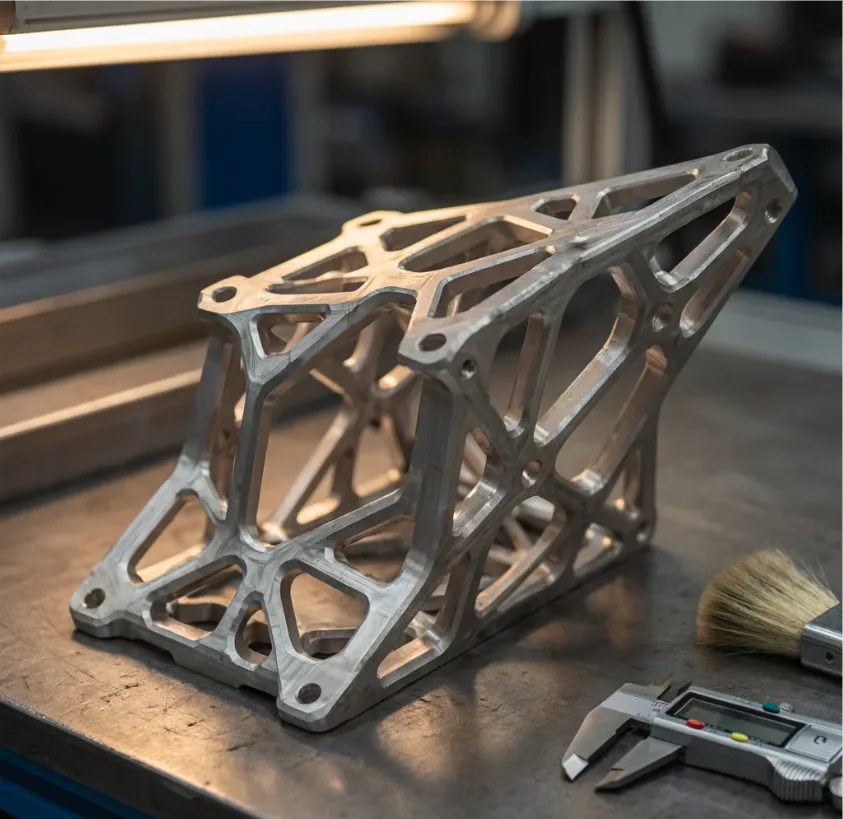
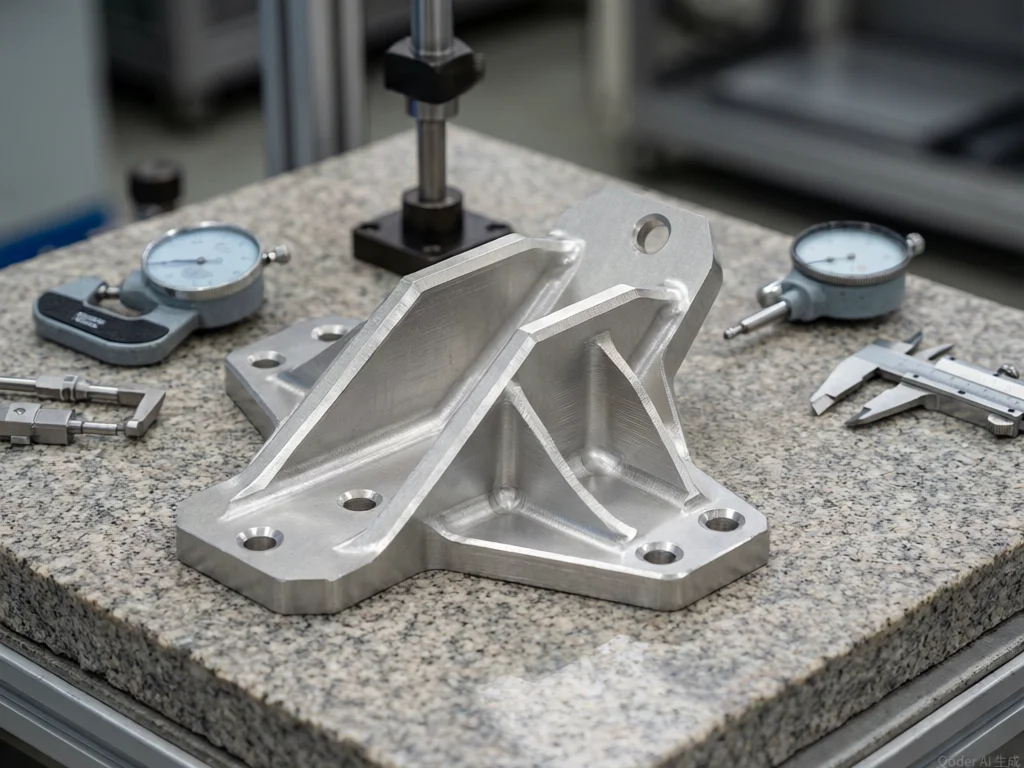
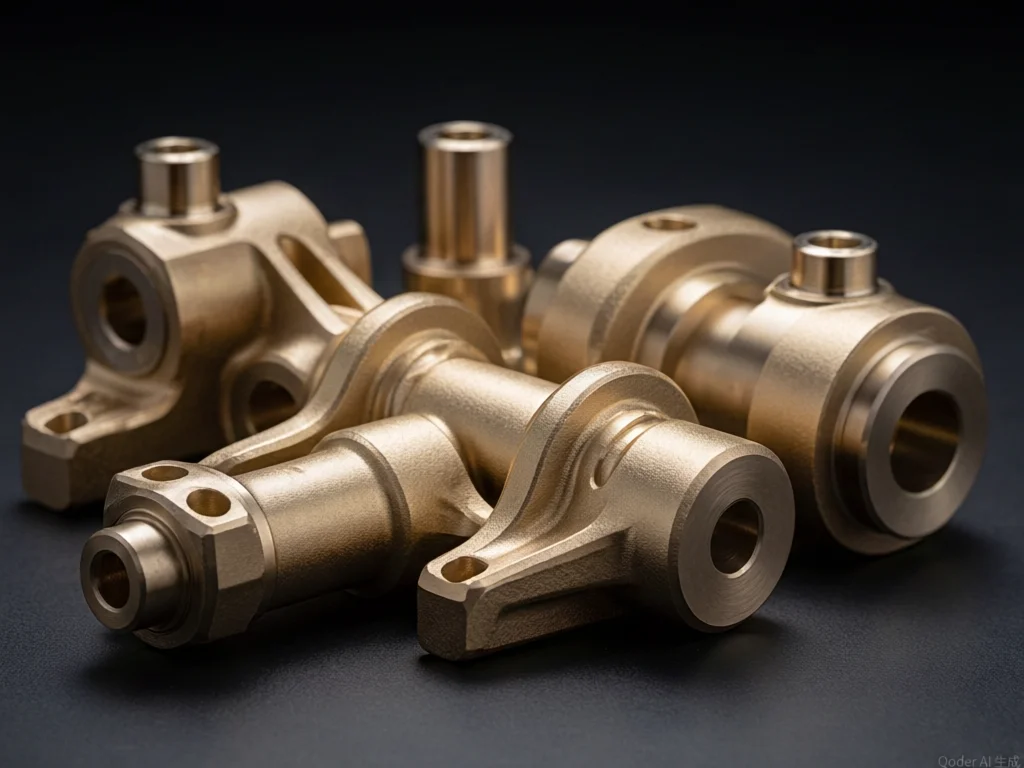
CNC machined satellite mounting bracket

Satellite Brackets

Lightweight structural brackets machined from Ti-6Al-4V with optimized lattice geometries for mass reduction.

Per drawingTi-6Al-4V
Quote Satellite Brackets β†’
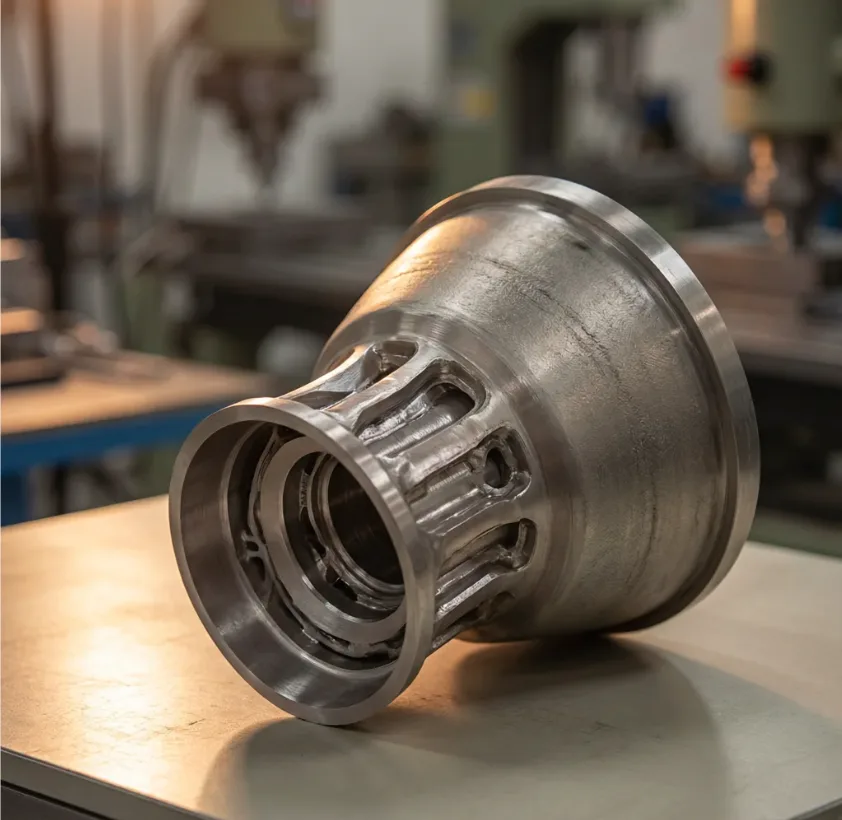
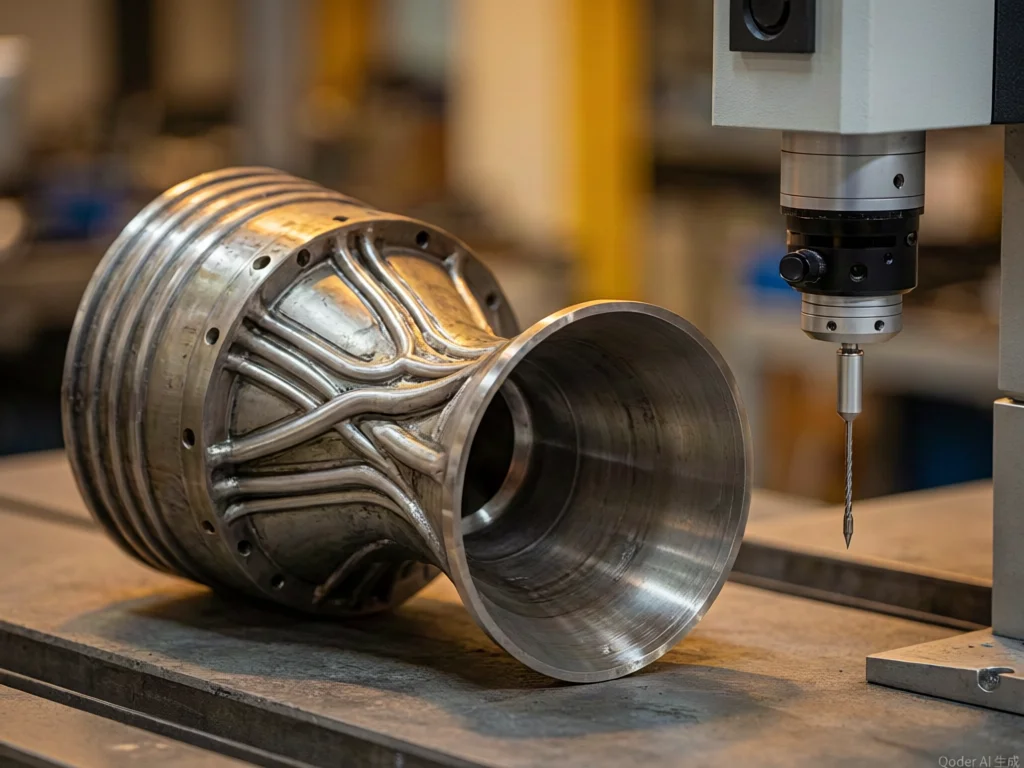
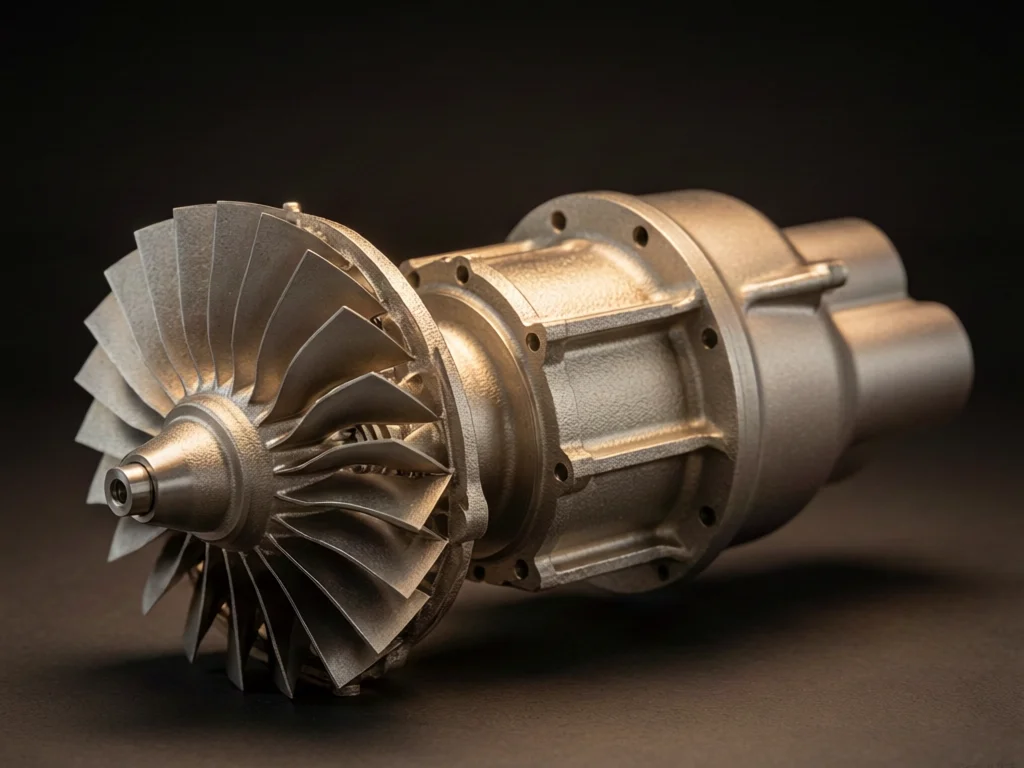
CNC machined propulsion nozzle

Propulsion Nozzles

High-temperature nozzles with internal cooling channels machined from Inconel 718 for orbital maneuvering.

5-AxisInconel 718
Quote Nozzle Program β†’
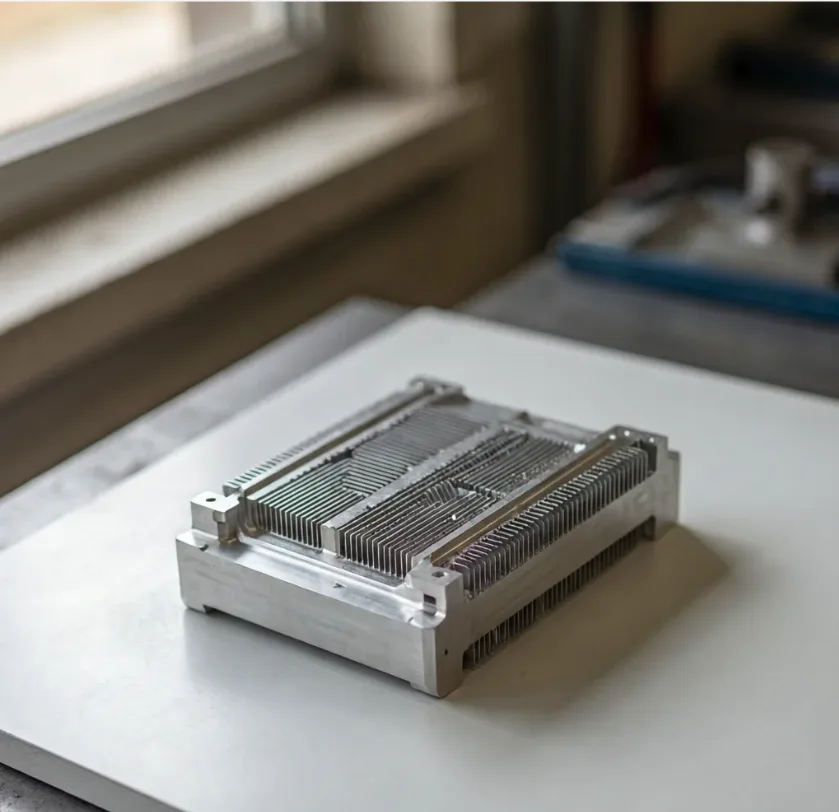
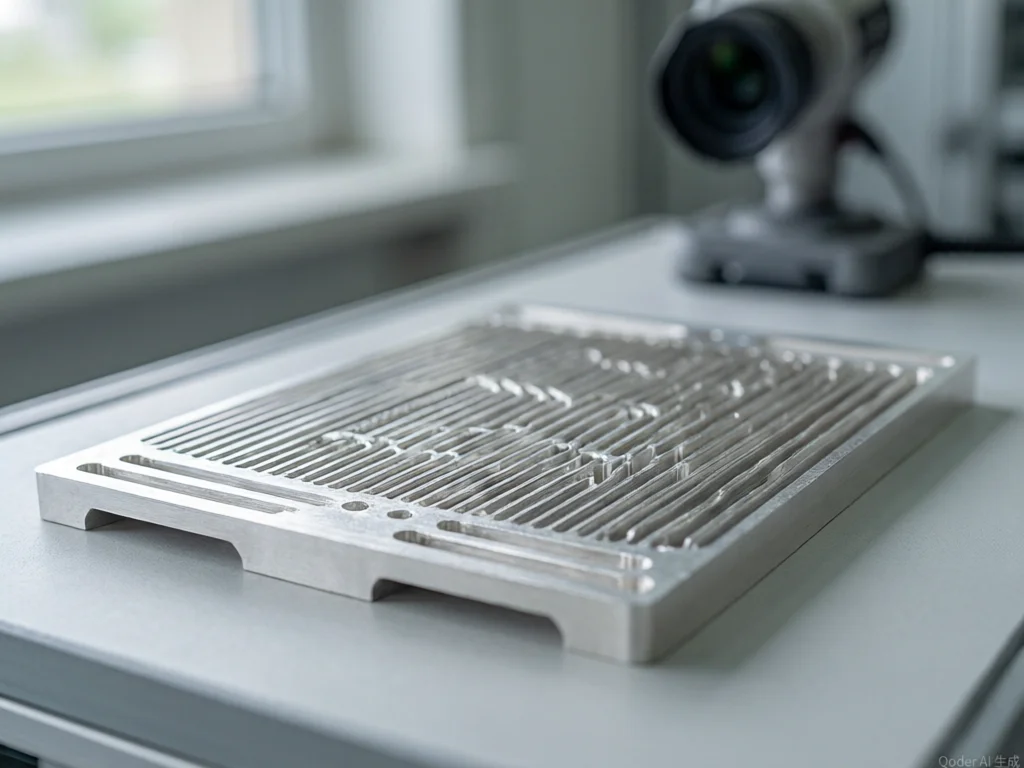
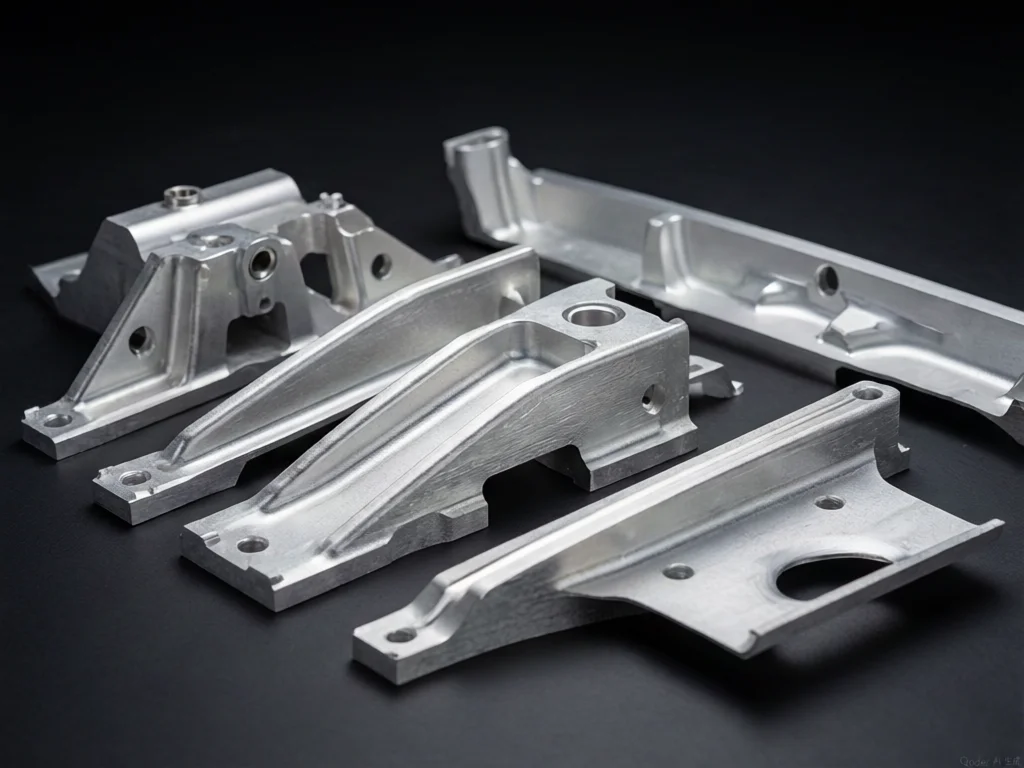
CNC machined thermal management component

Thermal Management

Heat exchangers and radiator panels with micro-channel arrays for active spacecraft thermal control.

Al 6061-T6Per drawing / agreed scope
Quote Thermal Components β†’
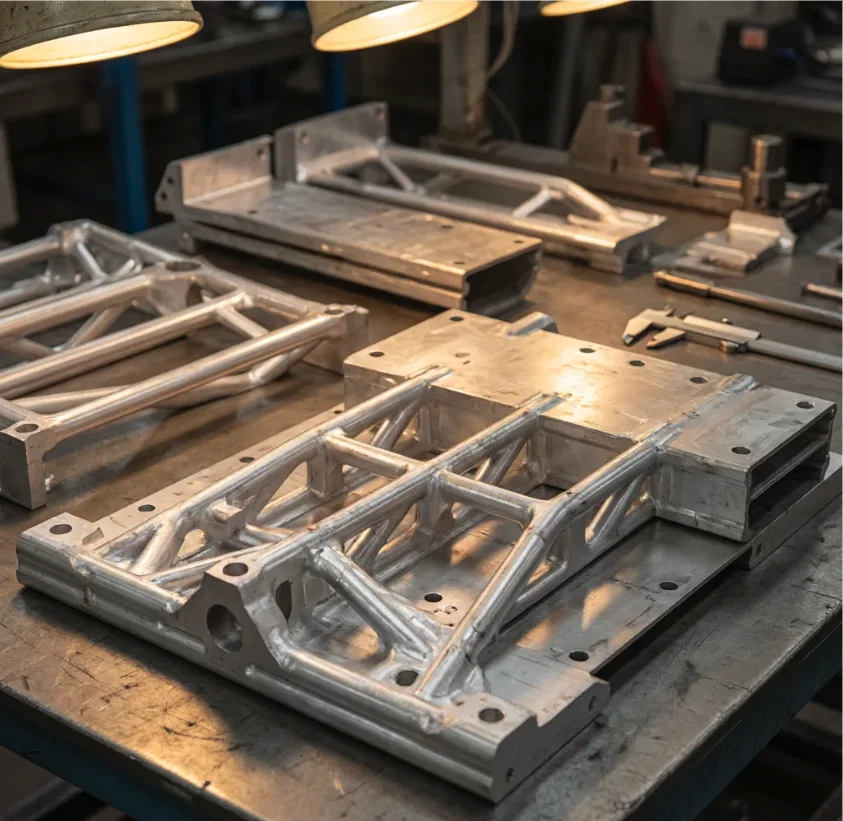
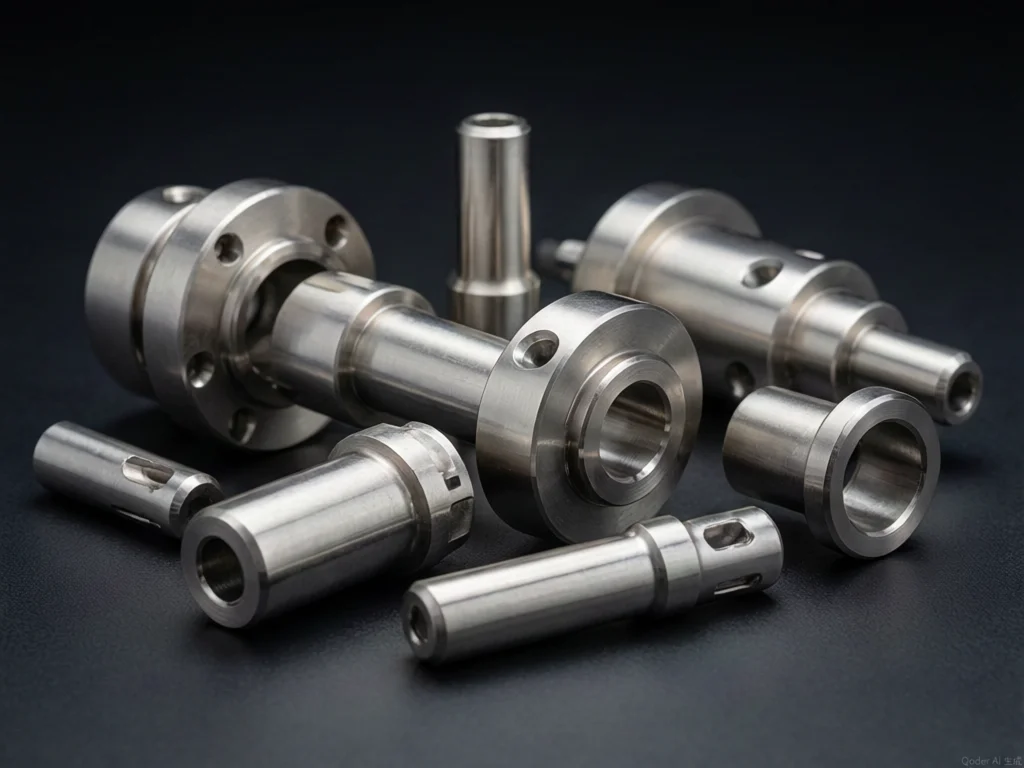
CNC machined space structural element

Structural Elements, Instrument Housings & Deployment Mechanisms

Truss nodes, splice plates, and clevis fittings for primary structure; hermetic enclosures for spectrometers and cameras with optical-bench flatness and outgassing control; plus hinge fittings, latch mechanisms, and spring housings for solar array and antenna deployment.

7075-T6 / 17-4PHHard Anodize / H900
Quote Structural Parts β†’
CNC machined space station, rocket, and rover components

Space Station, Rocket & Rover Components

From pressurized module fittings and experiment rack interfaces to engine mount hardware and planetary rover wheel hubs β€” platform-specific parts, machined to each environment's duty cycle.

Multi-PlatformMission-Specific
Quote Platform Hardware β†’

Operating Requirements

Space components must survive conditions no Earth-bound part ever sees.

🌑️

Extreme Thermal Cycling

We review extreme thermal cycling against the drawing to confirm process fit and inspection scope.

☒️

Radiation Hardening

High-energy proton and electron bombardment degrades standard polymers. We machine radiation-tolerant housings from aluminum and titanium with specialized surface treatments that resist atomic oxygen erosion in LEO.

πŸš€

Launch Vibration

Launch vehicles impose random vibration profiles up to 14 Grms across 20–2,000 Hz. Our brackets and fittings are designed with stress-relief radii and optimized wall thicknesses, then qualified on electrodynamic shakers to NASA-STD-7003.

βš–οΈ

Zero-G Mass Optimization

The drawing defines the datums and fit criteria for weight-sensitive space components; inspection scope is agreed for the project.

Part Specifications and Acceptance Criteria

Detailed engineering data for mission-critical space components.

Satellite bracket detail

Satellite Brackets & Mounting Structures

We review satellite brackets & mounting structures against the drawing to confirm process fit and inspection scope.

MaterialTi-6Al-4V ELI
TolerancePer drawing
Mass SavedUp to 35%
FinishPassivation per AMS 2700
Quote Satellite Brackets β†’
Propulsion nozzle cooling channels

Propulsion Nozzles & Thruster Components

We review propulsion nozzles & thruster components against the drawing to confirm process fit and inspection scope.

MaterialInconel 718
Wall ThicknessDrawing-defined requirement
Throat Tol.Per drawing
Temp RatingDrawing-defined requirement
Quote Nozzle Program β†’
Micro-channel heat exchanger

Thermal Management & Heat Exchangers

MaterialAl 6061-T6 / Cu
Channel WidthDrawing-defined requirement
Fin Pitch Tol.Per drawing
SurfaceDrawing-defined requirement
Quote Thermal Components β†’

Space Station, Rocket & Rover Components β€” Platform Comparison

Customer documentation and special-process needs are reviewed before quotation and included only when agreed in the project scope.

Platform Typical Parts We Machine Go-To Material Typical Tolerance Qualification Focus
Space Station Pressurized module fittings, experiment rack interfaces, crew-transfer hatches Al 6061-T6 / Ti-6Al-4V Per drawing Crew-safety criticality, long-duration corrosion control
Rocket & Launch Vehicle Engine mount hardware, stage-separation fittings, avionics bays Inconel 718 / 7075-T6 Per drawing Launch-load vibration, high-thrust thermal soak
Planetary Rover Wheel hubs, suspension pivots, instrument deployment arms 7075-T6 / 17-4PH Per drawing Dust abrasion, wide thermal swing, single-fault tolerance
Quote Platform Hardware β†’

Material and Process Decisions

Customer-specific documentation and special-process needs are reviewed before quotation and included only when agreed in the project scope.

Ti-6Al-4V titanium for satellite brackets

Ti-6Al-4V Titanium

We review ti-6al-4v titanium against the drawing to confirm process fit and inspection scope.

Explore Material β†’
Inconel 718 for propulsion nozzles

Inconel 718

We review inconel 718 against the drawing to confirm process fit and inspection scope.

Explore Material β†’
7075-T6 aluminum for structural elements

7075-T6 Aluminum

We review 7075-t6 aluminum against the drawing to confirm process fit and inspection scope.

Explore Material β†’
17-4PH stainless steel for deployment mechanisms

17-4PH Stainless Steel

High strength and hardness after H900 heat treatment. For deployment mechanisms and latch systems requiring wear resistance.

Explore Material β†’

Manufacturing Process and Setup

βš™οΈ

5-Axis Simultaneous

Complex nozzle throats, compound-angle bracket feet, and internal cooling channels machined in a single setupβ€”tighter tolerances, fewer errors.

Learn More β†’
πŸ“

Dimensional Inspection

Get a Quote β†’
🌑️

Cryogenic Testing

We review cryogenic testing against the drawing to confirm process fit and inspection scope.

Discuss Test Plans β†’

Need a Custom Space Component Not Listed Here?

We regularly machine propellant tanks, reaction wheel housings, optical benches, and deployable boom fittings for commercial and government space programs. Start a project inquiryβ€”we prepare quotations within two business days after receiving complete drawings and project requirements.

Start a Project Inquiry

Frequently Asked Questions

Tolerance and fit requirements are reviewed against the supplied drawing. Feasibility depends on geometry, material, machining process, and agreed inspection scope.

Material grade is considered against part function, operating conditions, and drawing requirements. Availability, finish options, and any requested material records are confirmed during quotation.

Material grade is considered against part function, operating conditions, and drawing requirements. Availability, finish options, and any requested material records are confirmed during quotation.

The part geometry, material, feature access, and quantity determine the suitable machining route. Feasibility and inspection scope are reviewed from the drawing before quotation.

Any pressure, leak, or functional test requirement is reviewed against the customer specification. Test method, acceptance criteria, and records are included only when agreed for the project.

Manufacturing lead time is confirmed after reviewing material availability, machining process, finish, and quantity. Quotation timing is two business days after complete drawings and requirements are received.

The part geometry, material, feature access, and quantity determine the suitable machining route. Feasibility and inspection scope are reviewed from the drawing before quotation.

The part geometry, material, feature access, and quantity determine the suitable machining route. Feasibility and inspection scope are reviewed from the drawing before quotation.

Ready to Machine Your Next Space Program?

Start Your Program Today β†’